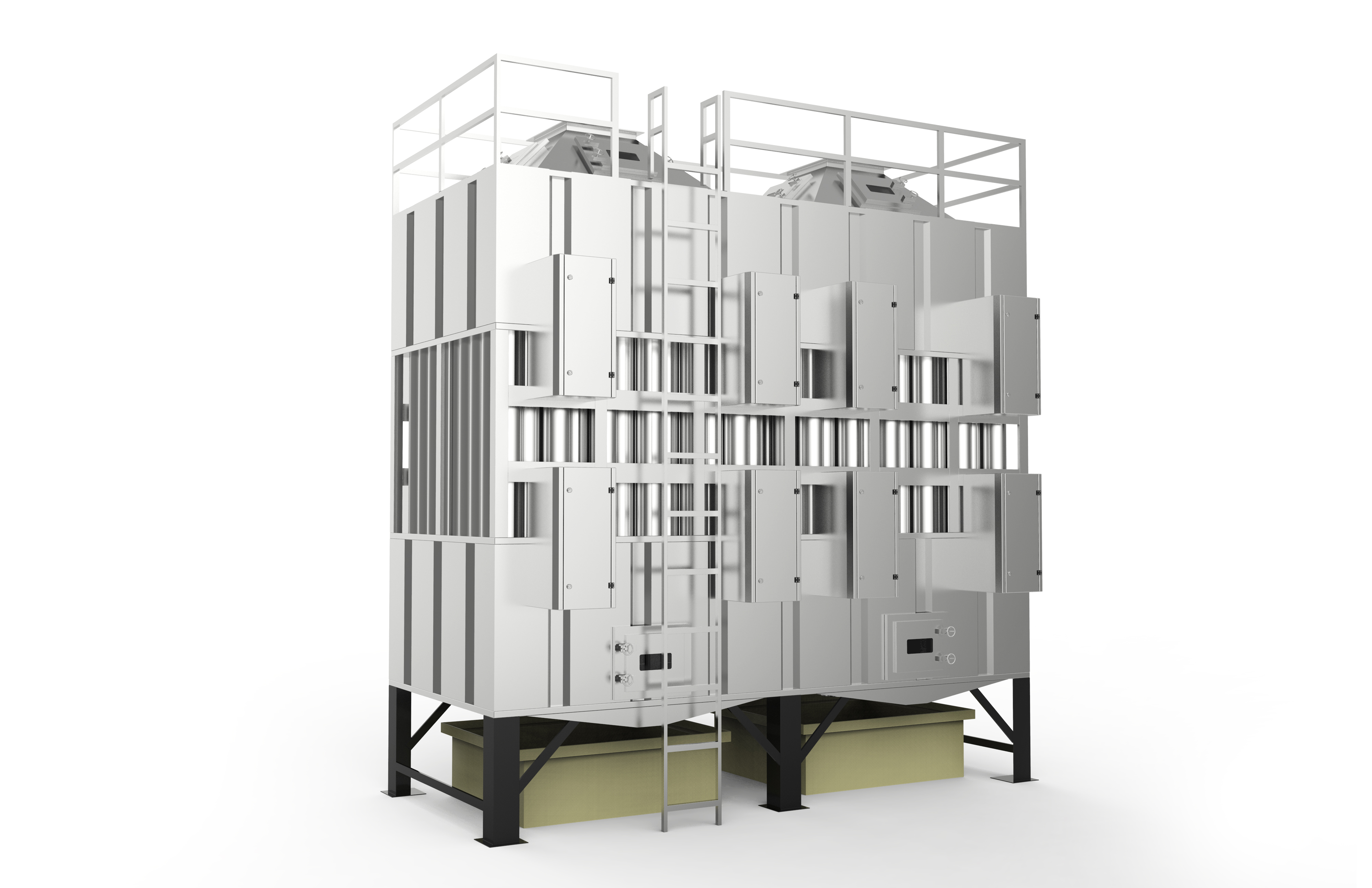
Wet Electrostatic Precipitator
Wet ESP systems for fine mist, oil fume, and sticky particulate in industrial flue gas—often as polish or primary control.
Where WESP fits
WESP captures sub-micron and sticky aerosols that scrubbers and mechanical filters leave behind. It is widely applied to oil mist, food frying fumes, and polishing stages after wet pretreatment.
Oil mist, sticky aerosols, flue gas polishing after scrubbing
Applicable catalog duty
Industrial electrostatic reference
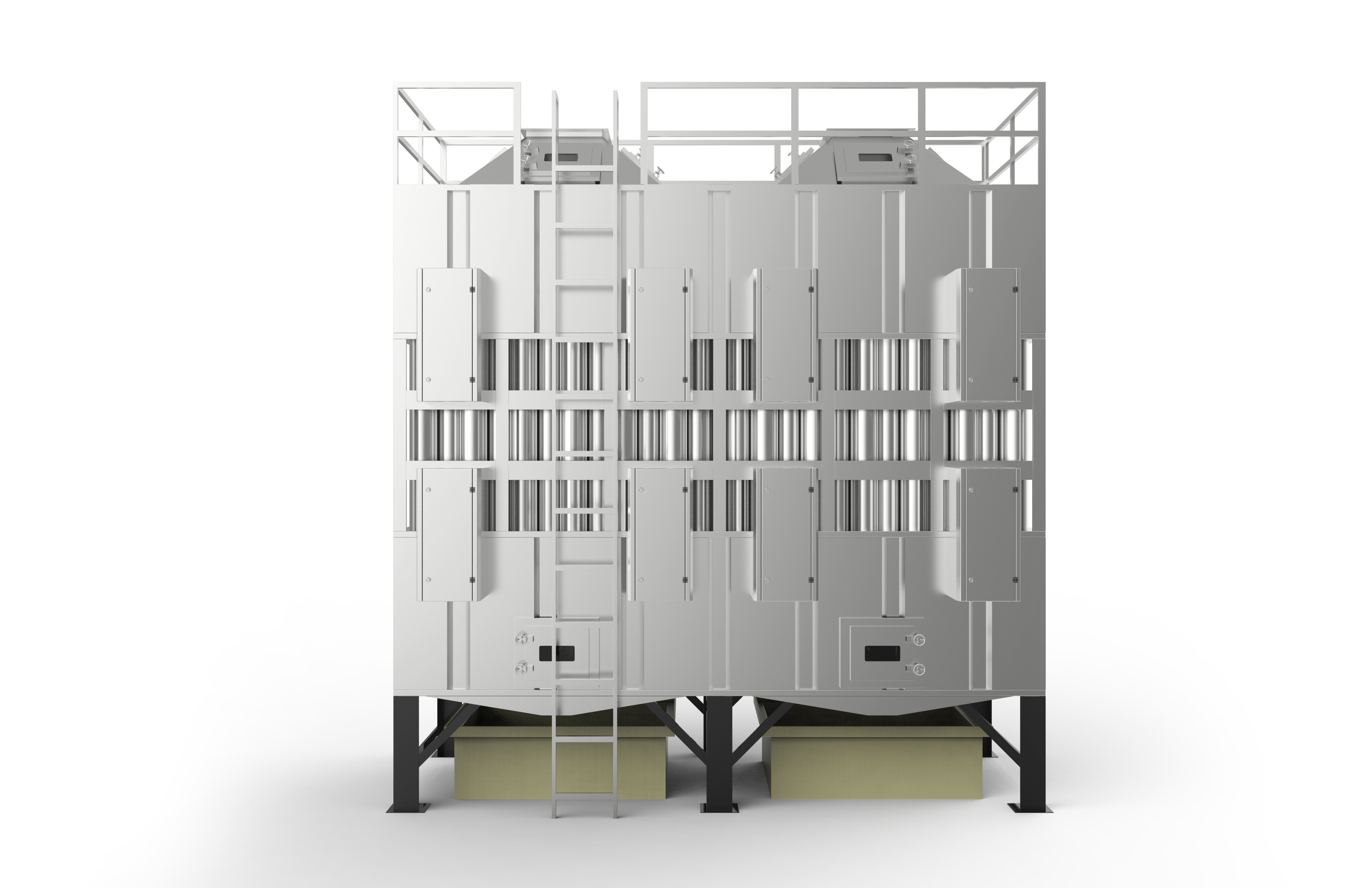
Wet collector configuration
How the system works
Particles are charged in a high-voltage field and collected on irrigated plates or tubes. Continuous washing prevents sticky buildup. Upstream spray towers often remove coarse load before the WESP polish stage.
- 01Wet pretreatment removes coarse load and conditions the gas.
- 02High-voltage electrodes charge fine droplets and particles.
- 03Charged contaminants migrate to collecting surfaces.
- 04Automatic washing removes collected material and maintains performance.
Choose by process conditions
| Configuration | Description | Best fit | Source metric |
|---|---|---|---|
| Wet Electrostatic Precipitator | Irrigated collection tubes or plates for sticky, oily, and fine flue-gas contaminants. | Food frying, rubber, textile, asphalt, boiler, and process flue gas. | Project-specific |
| Industrial Electrostatic Oil-Mist Purifier | Modular electrostatic fields for industrial oil mist and smoke. | Heat treatment, machining, PCB, soldering, and oil-fume applications. | Project-specific |
Typical pollutants
- Oil mist
- Sticky aerosols
- Fine particulate
- Flue-gas condensables
Engineering features
- High-voltage power protection
- 304 or 201 stainless options by duty
- Automatic washing
- Modular electric-field sections
- Door and access safety interlocks
Selection cautions
- Gas temperature, humidity, resistivity, corrosiveness, and fire risk must be reviewed.
- Upstream scrubbing and demisting may be required for high-load streams.
Products using this technology
WESP
High-voltage wet collection for fine, sticky and oil-bearing aerosols after suitable gas conditioning.
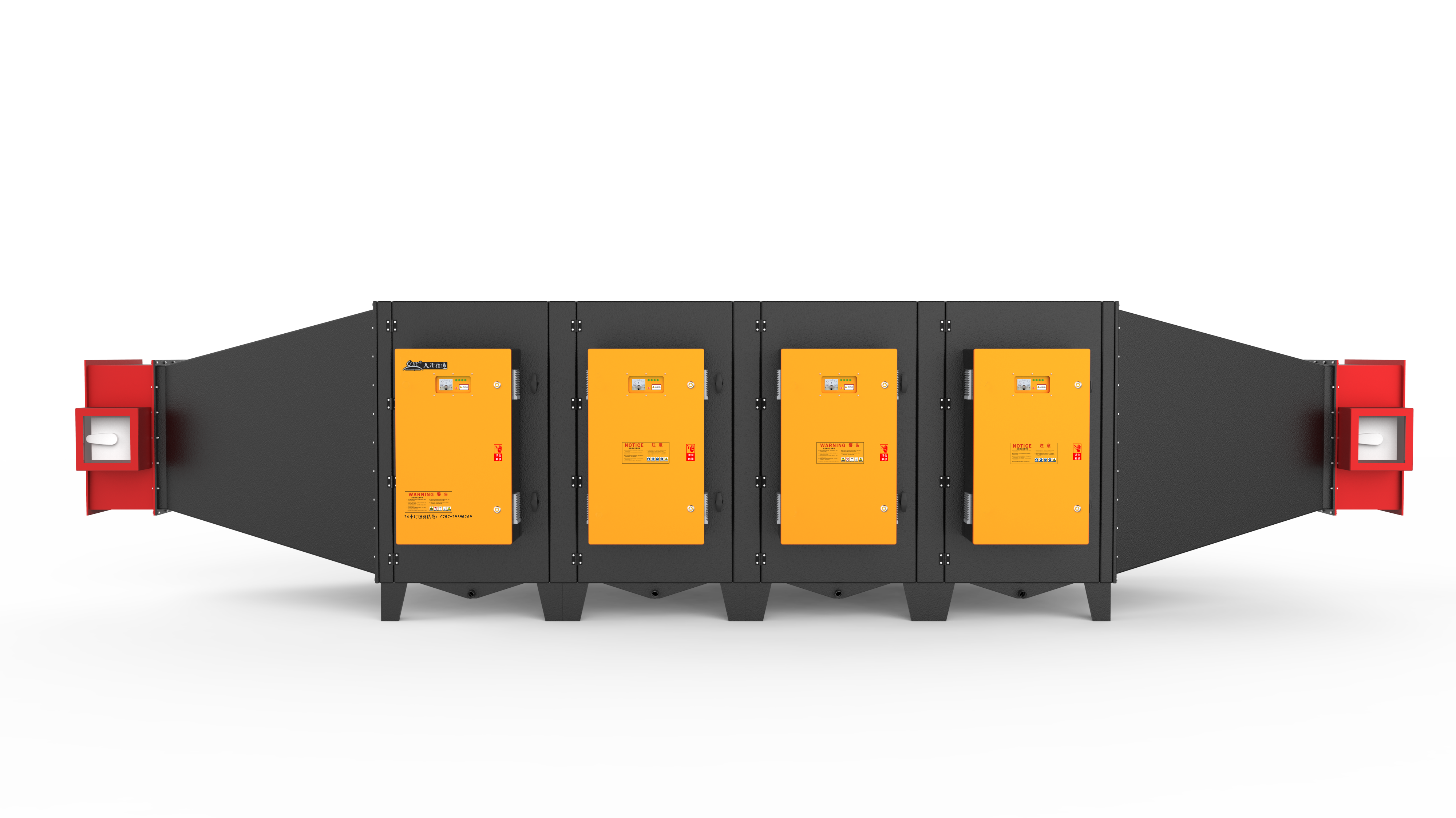
Electrostatic Fume Purifier
A dry or low-water electrostatic collection unit for industrial oil fume and fine process aerosol.
WESP Flue Gas Unit
High-tech patented WESP for sub-micron particulate, oil fumes, and complex industrial flue gas purification.
Industrial ESP Fume Unit
Industrial-grade electrostatic precipitation for heavy oil fumes from PVC, rubber, and metal processing.
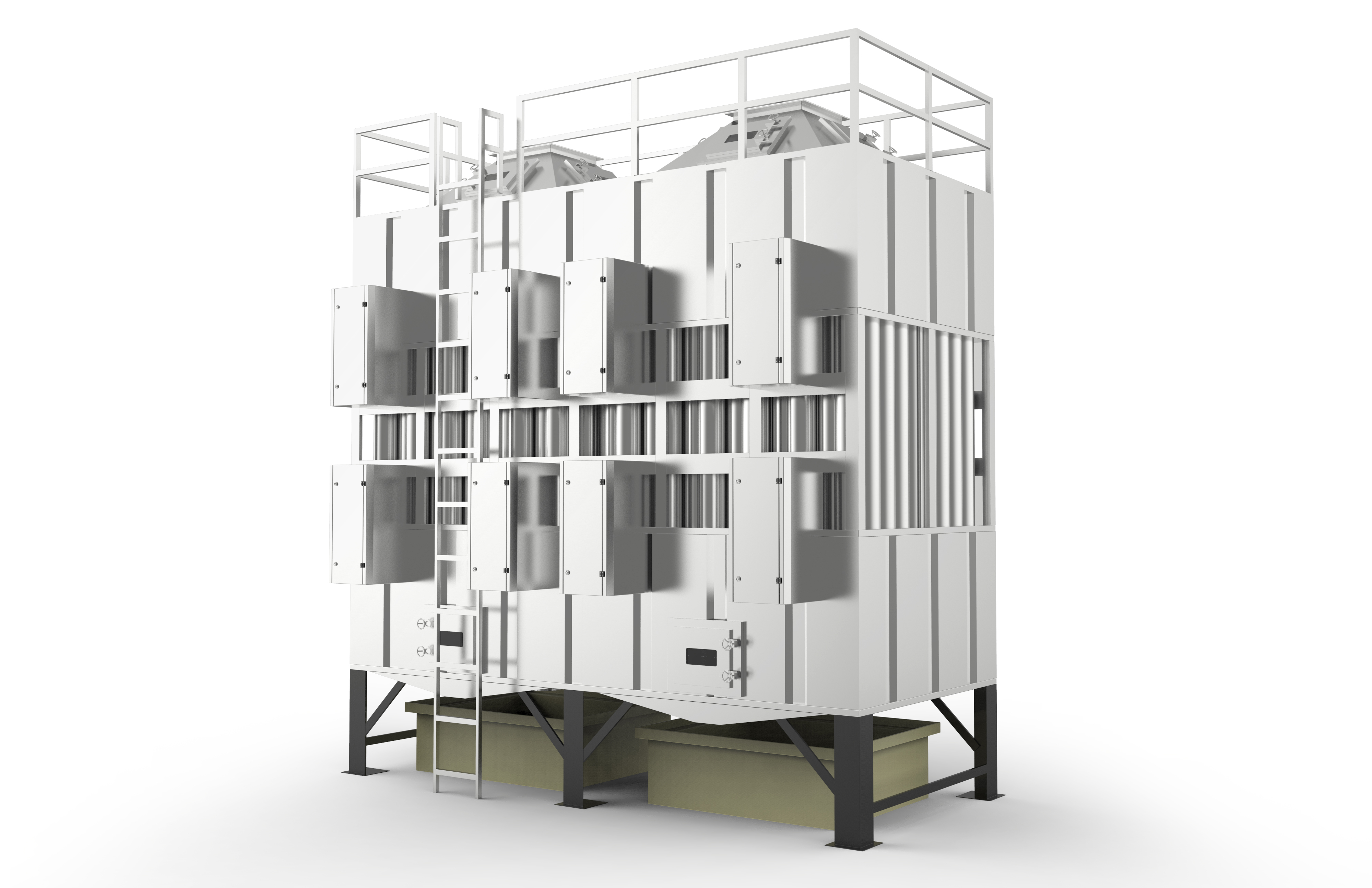
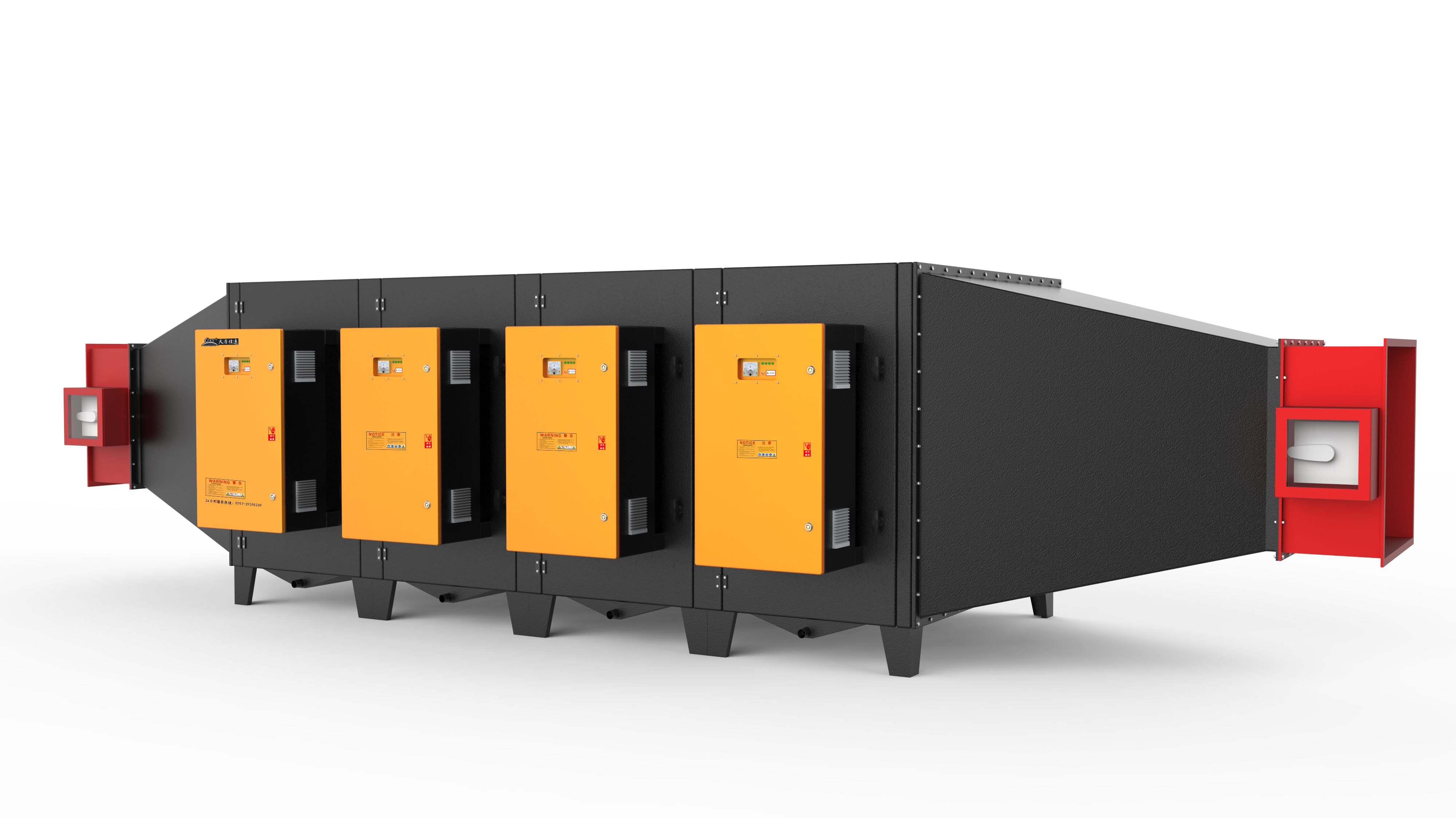
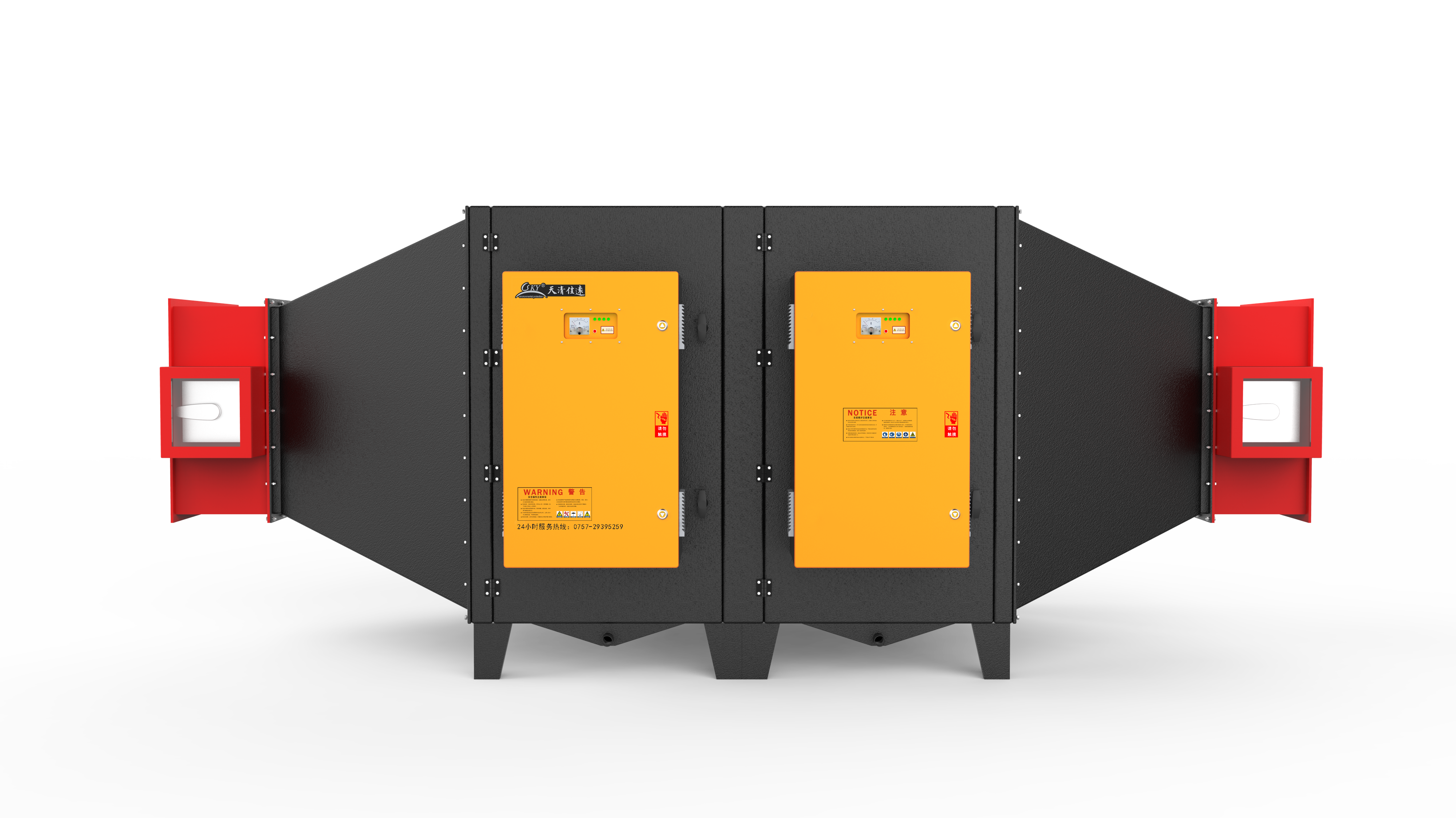
Equipment views
Specify WESP for your plant
Performance depends on actual gas composition, inlet load, temperature and operating schedule. Share process data for a configuration review.