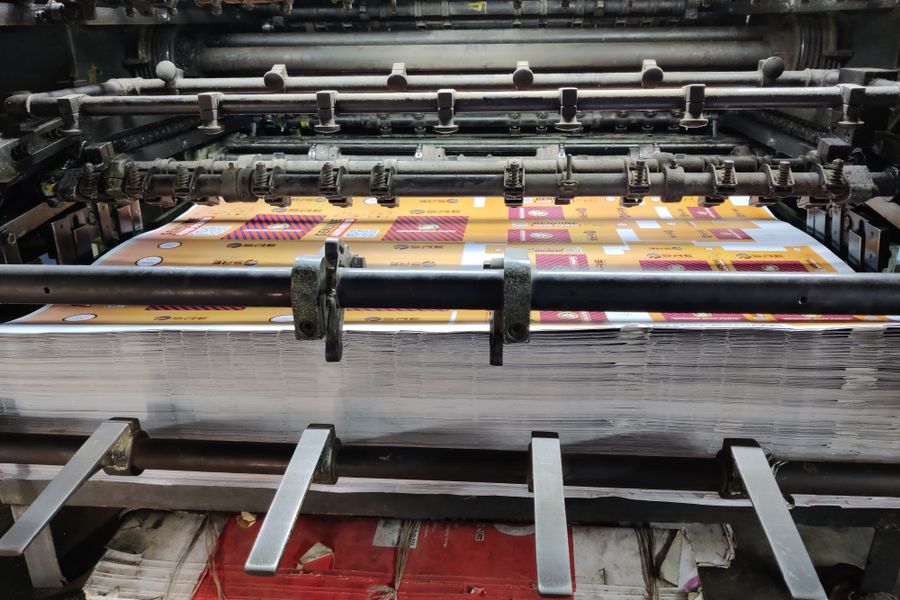
Printing & Laminating
Gravure, flexible packaging, lamination, optical film and continuous web processes.
Processes and emission sources
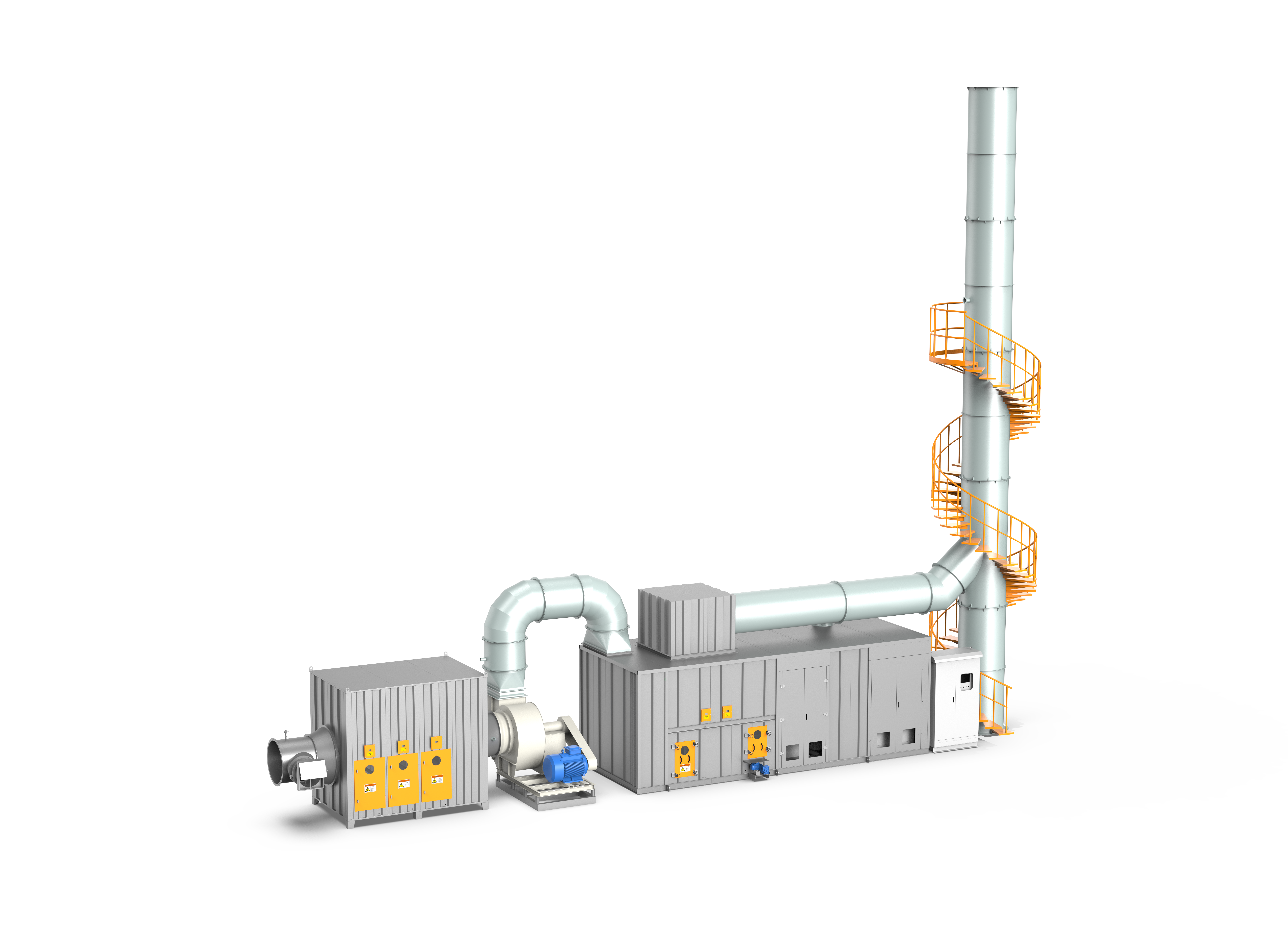
Typical trains use zeolite concentration ahead of RTO or catalytic oxidation, sized to line airflow and dryer duty.
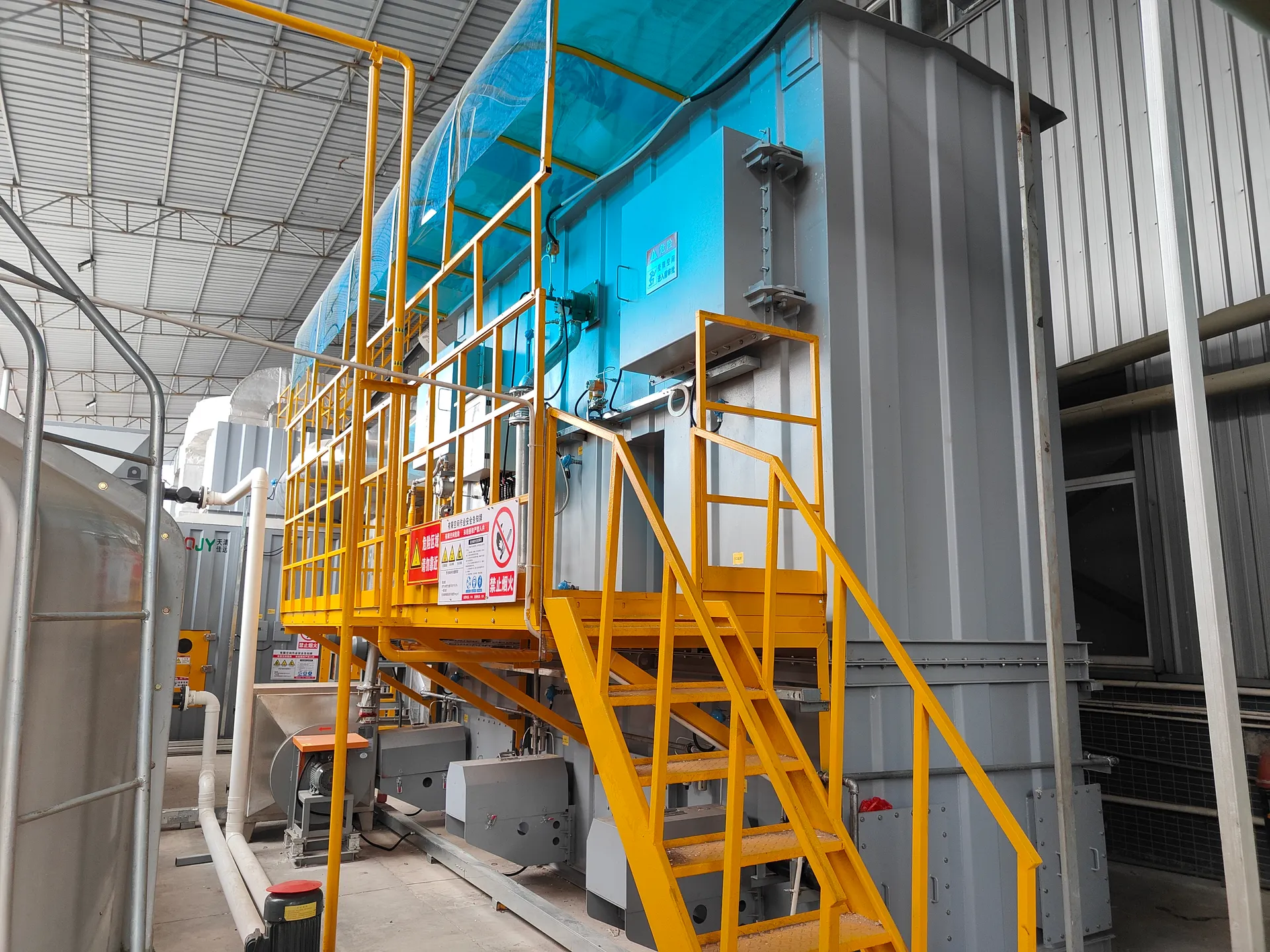
Real engineering project deployed by FluxFine Environmental.
Common pollutants
- Ethyl acetate
- Toluene and xylene
- Alcohols
- Ketones
- Mixed printing solvents
Typical conditions
- Large and fluctuating dryer airflow
- Low-to-medium VOC concentration
- Multiple solvent recipes
- Continuous production
Engineering priorities
- Dryer exhaust balance
- LEL control
- Solvent compatibility
- Production changeovers
- Heat reuse potential
From collection to compliant discharge
- 01
Source collection
- 02
Particulate filtration
- 03
Zeolite concentration
- 04
RTO or catalytic oxidation
- 05
Optional heat recovery
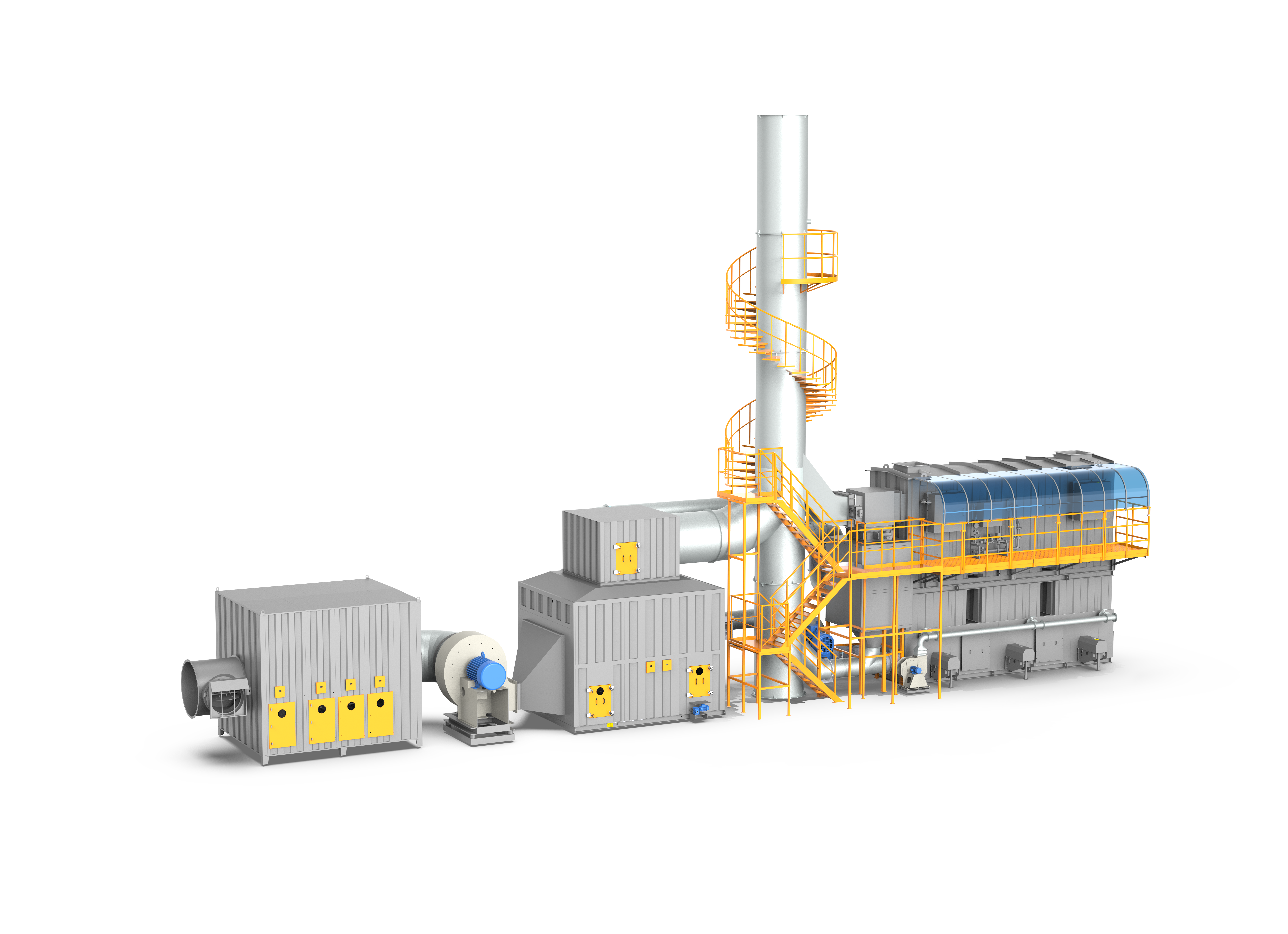
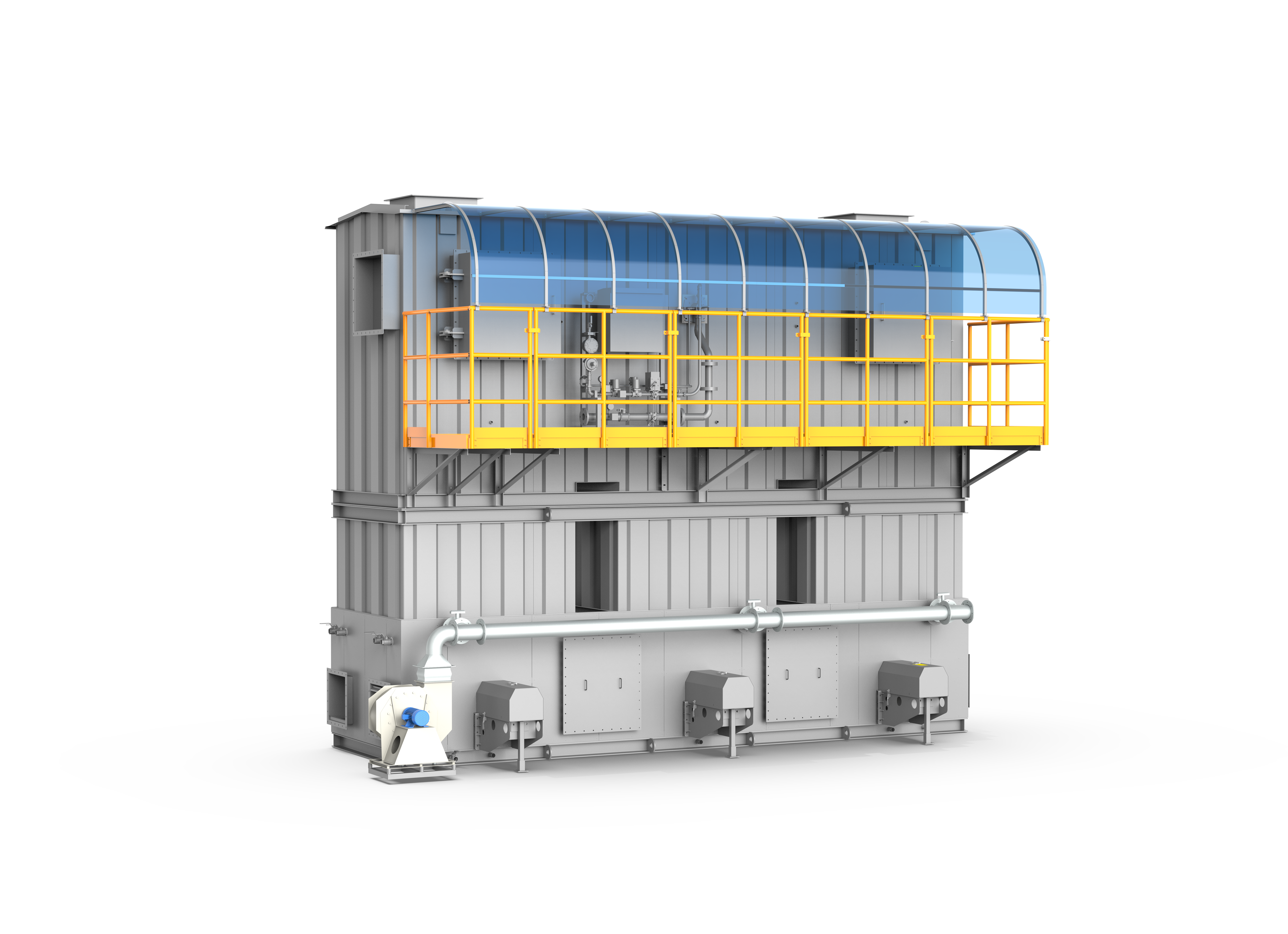
Configurations commonly evaluated
These configurations are starting points for this industry. Final selection depends on measured airflow, pollutant chemistry, concentration, temperature and production schedule.
Three-Bed RTO
A high-heat-recovery oxidizer for continuous treatment of medium-to-high VOC loads and changing solvent mixtures.
View equipmentRotary RTO
A compact RTO configuration using a rotary gas-distribution valve for broad airflow flexibility and continuous VOC oxidation.
View equipmentZeolite Rotor
Concentrates large-airflow, low-concentration VOC exhaust into a smaller stream for efficient downstream oxidation.
View equipmentZeolite + Three-Bed RTO
A complete train for large-volume dilute VOC exhaust with concentration, thermal oxidation and optional process heat recovery.
View equipmentZeolite + Rotary RTO
A compact concentration and rotary oxidation train for large-airflow VOC sources with fluctuating recipes or concentration.
View equipmentZeolite + CO
An integrated low-temperature oxidation package for large-airflow, low-concentration and catalyst-compatible VOC streams.
View equipmentMap your printing & laminating process
Share exhaust sources, airflow, concentration, operating temperature and schedule. We will identify pretreatment needs and a suitable control train.