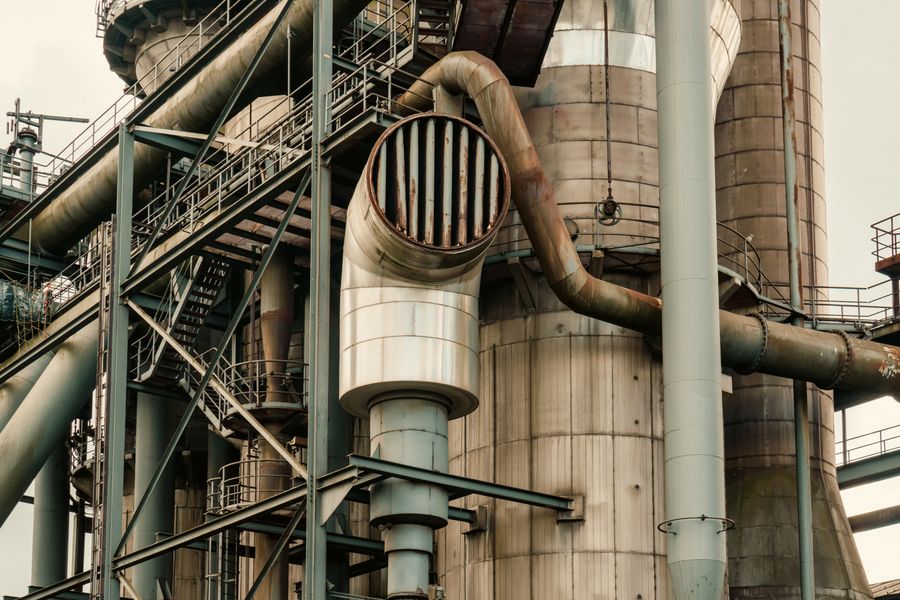
Chemical Industry
Resins, coatings, waterproofing, and specialty chemicals.
Processes and emission sources
RTO for durable thermal oxidation; carbon recovery where solvents have value; scrubbing upstream as needed.
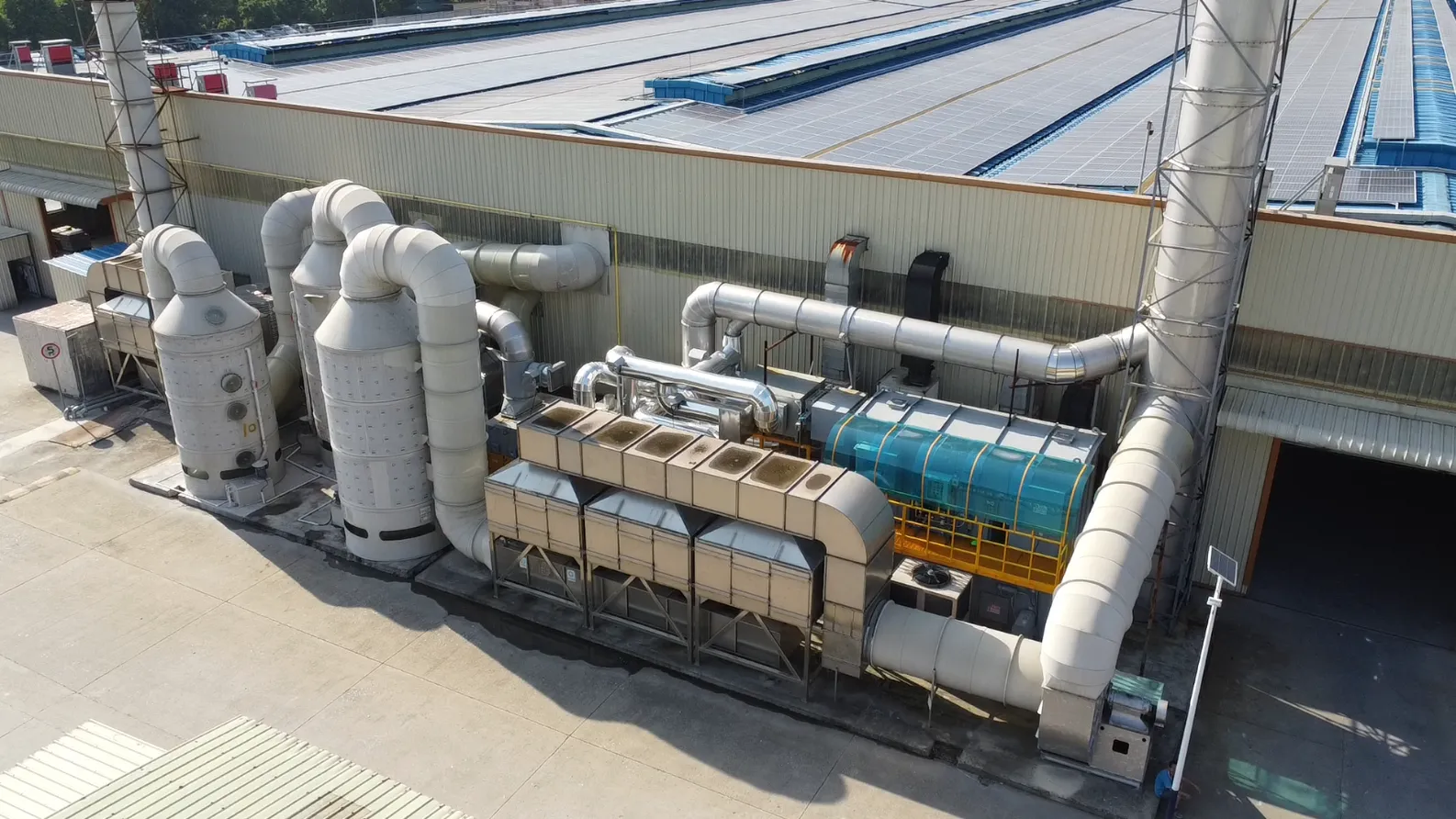
Real engineering project deployed by FluxFine Environmental.
Common pollutants
- Complex VOC mixtures
- Halogenated or sulfur-bearing compounds
- Acid gases
- Odors
- Condensable organics
Typical conditions
- Batch peaks
- High concentration events
- Multiple collection headers
- Potential corrosive components
Engineering priorities
- Material compatibility
- LEL and emergency logic
- Secondary byproducts
- Peak-load buffering
- Heat recovery
From collection to compliant discharge
- 01
Stream characterization
- 02
Segregation and balancing
- 03
Scrubbing where needed
- 04
RTO or solvent recovery
- 05
Final polishing
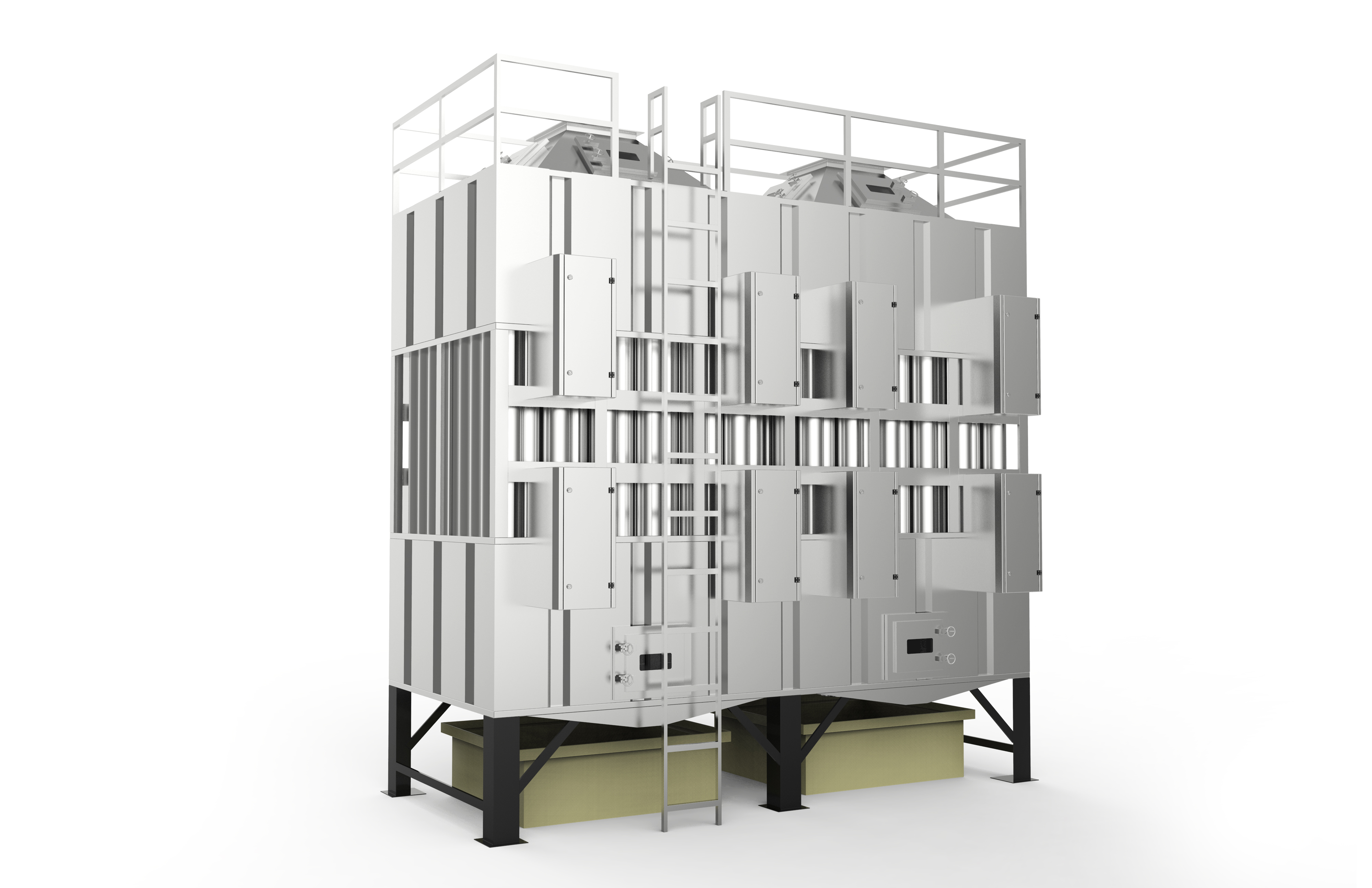
Configurations commonly evaluated
These configurations are starting points for this industry. Final selection depends on measured airflow, pollutant chemistry, concentration, temperature and production schedule.
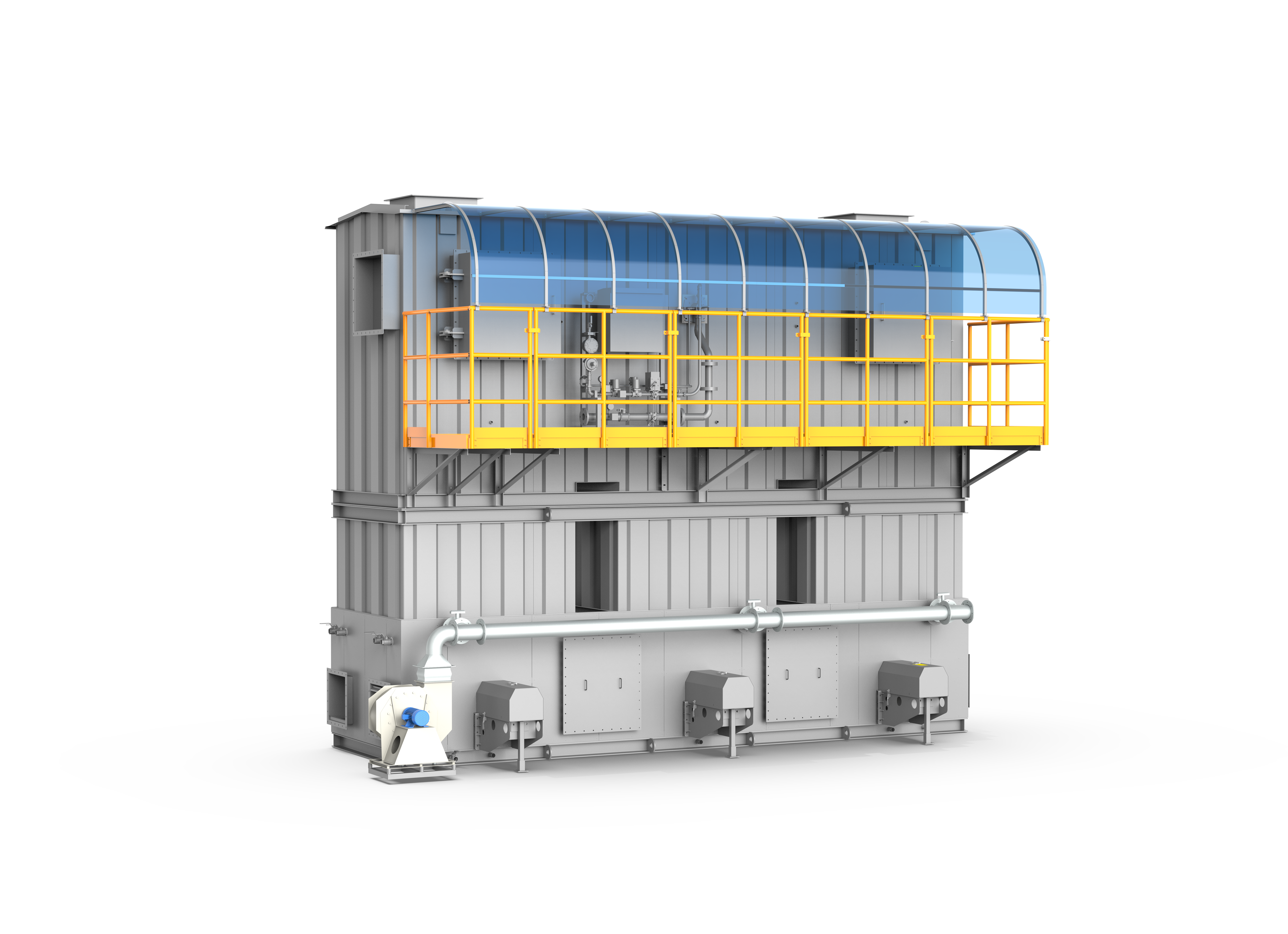
Three-Bed RTO
A high-heat-recovery oxidizer for continuous treatment of medium-to-high VOC loads and changing solvent mixtures.
View equipmentRotary RTO
A compact RTO configuration using a rotary gas-distribution valve for broad airflow flexibility and continuous VOC oxidation.
View equipmentZeolite + Rotary RTO
A compact concentration and rotary oxidation train for large-airflow VOC sources with fluctuating recipes or concentration.
View equipmentActivated Carbon + CO
Swing-bed adsorption and desorption combined with catalytic oxidation for intermittent, low-concentration VOC exhaust.
View equipmentRCO
Ceramic heat regeneration combined with catalytic oxidation for compatible VOC streams requiring continuous, energy-conscious treatment.
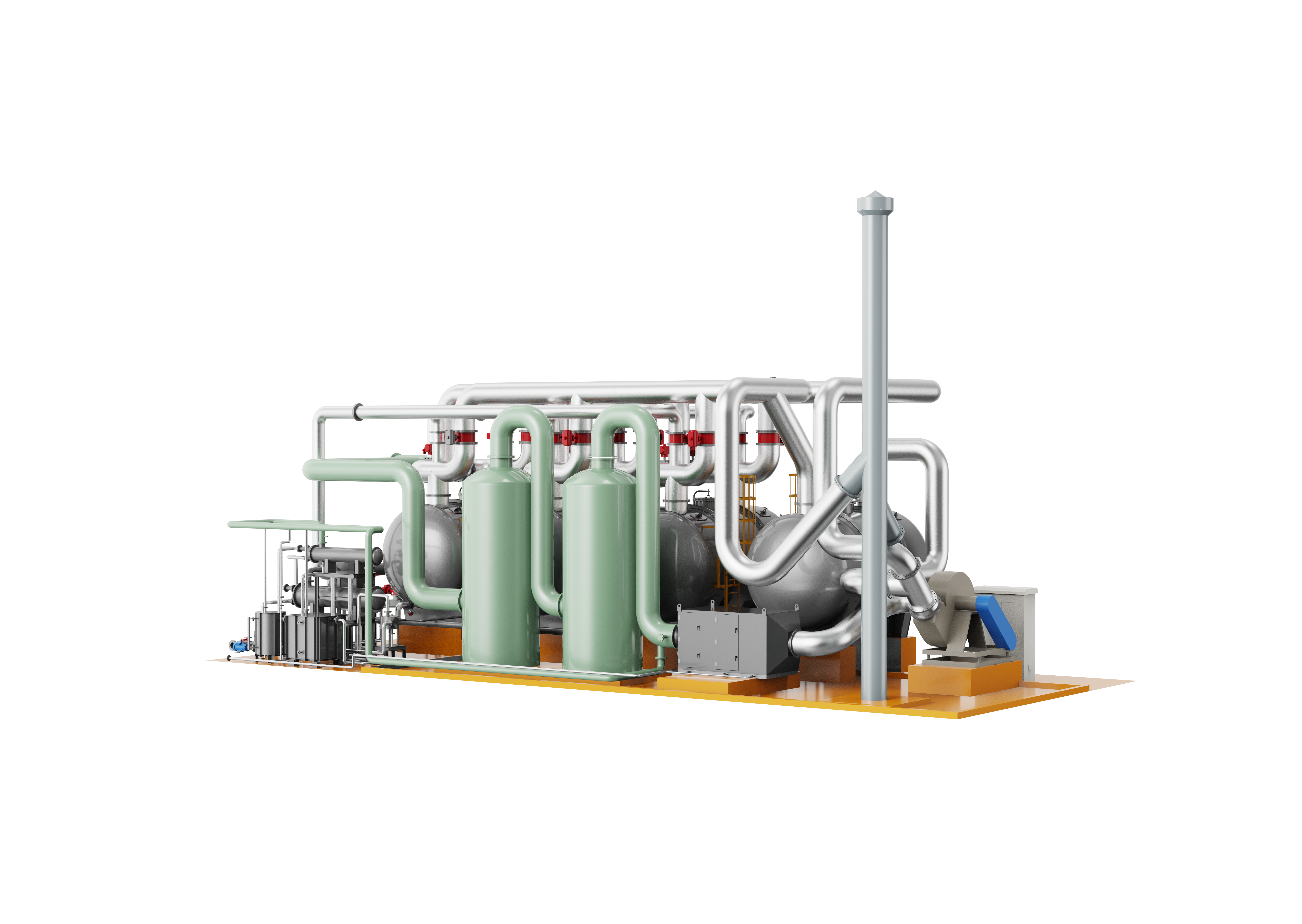
View equipmentCarbon Solvent Recovery
Adsorbs valuable solvents, regenerates the carbon with steam and condenses the recovered stream for potential reuse.
View equipmentMap your chemical industry process
Share exhaust sources, airflow, concentration, operating temperature and schedule. We will identify pretreatment needs and a suitable control train.