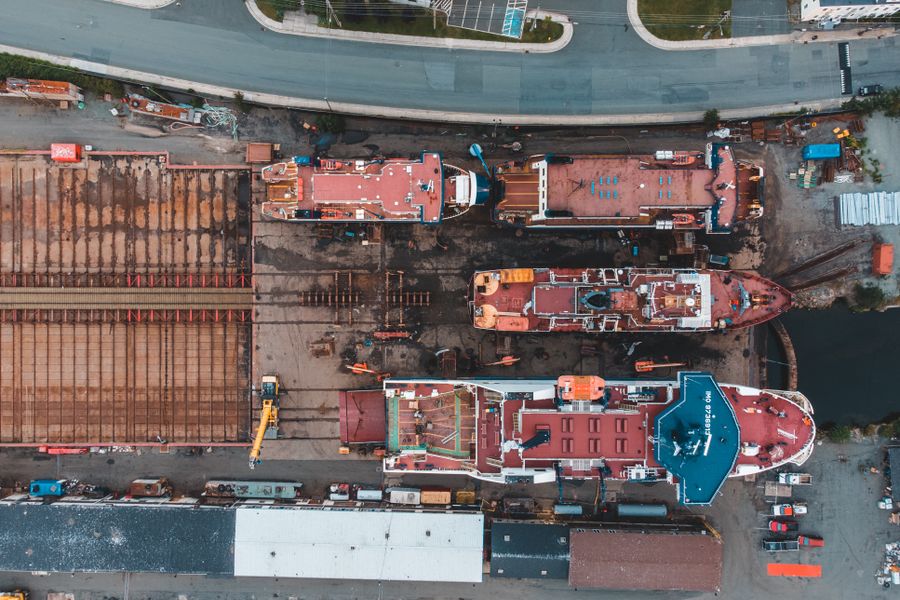
Heavy Machinery & Shipbuilding
Large booth coating and high-airflow paint shops.
Processes and emission sources
Zeolite concentration to shrink oxidizer size, or direct RTO where concentration supports autothermal operation.
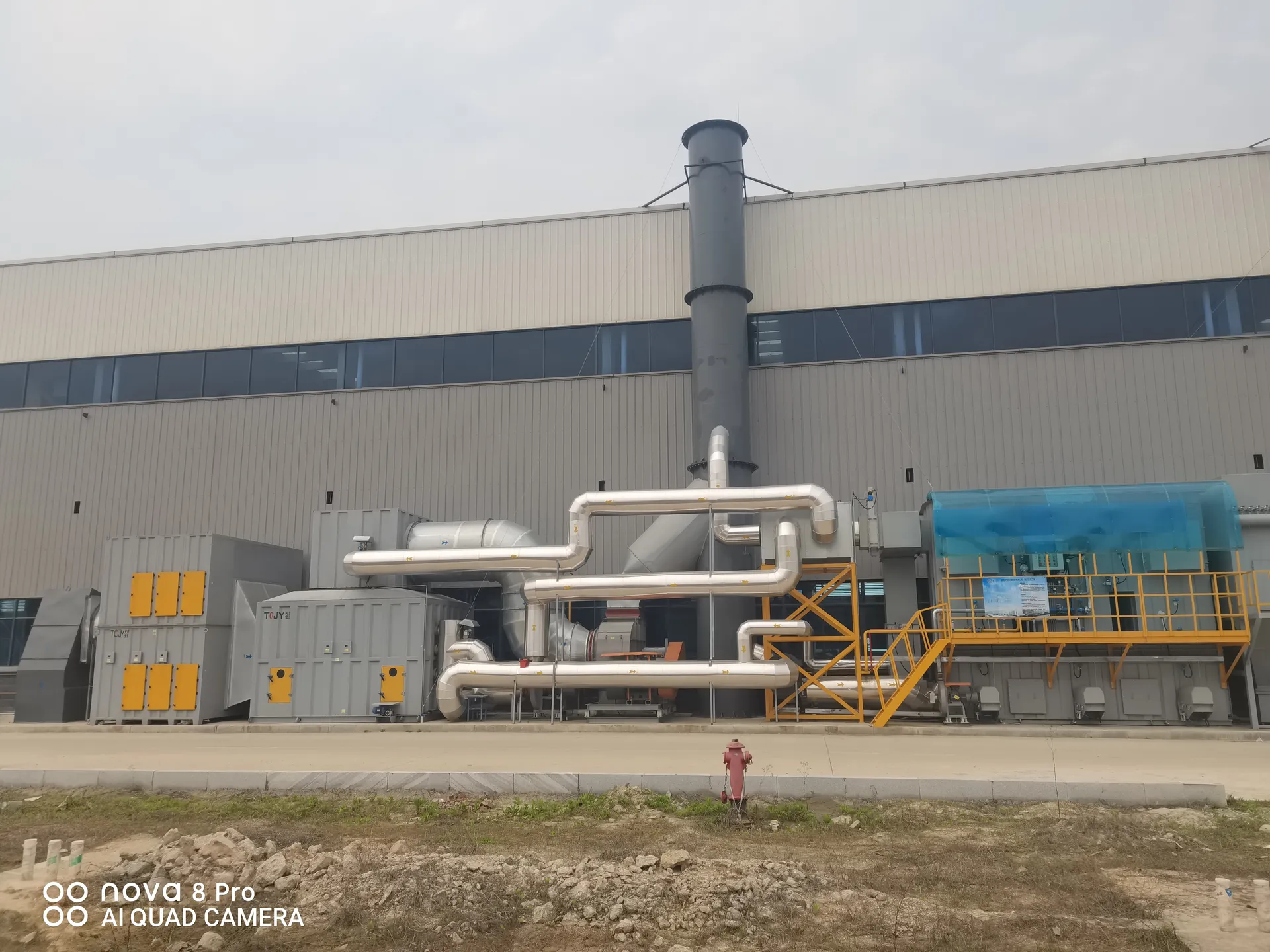
Real engineering project deployed by FluxFine Environmental.
Common pollutants
- Paint solvents
- Overspray
- Aromatic VOCs
- Particulate
- Intermittent odors
Typical conditions
- Very large airflow
- Intermittent booths
- Widely distributed sources
- Outdoor duct routes
Engineering priorities
- Duct pressure loss
- Intermittent operation
- Outdoor corrosion protection
- Large equipment logistics
- Energy consumption
From collection to compliant discharge
- 01
Booth capture
- 02
Overspray filtration
- 03
Airflow balancing
- 04
Concentration or direct RTO
- 05
Heat recovery
Configurations commonly evaluated
These configurations are starting points for this industry. Final selection depends on measured airflow, pollutant chemistry, concentration, temperature and production schedule.
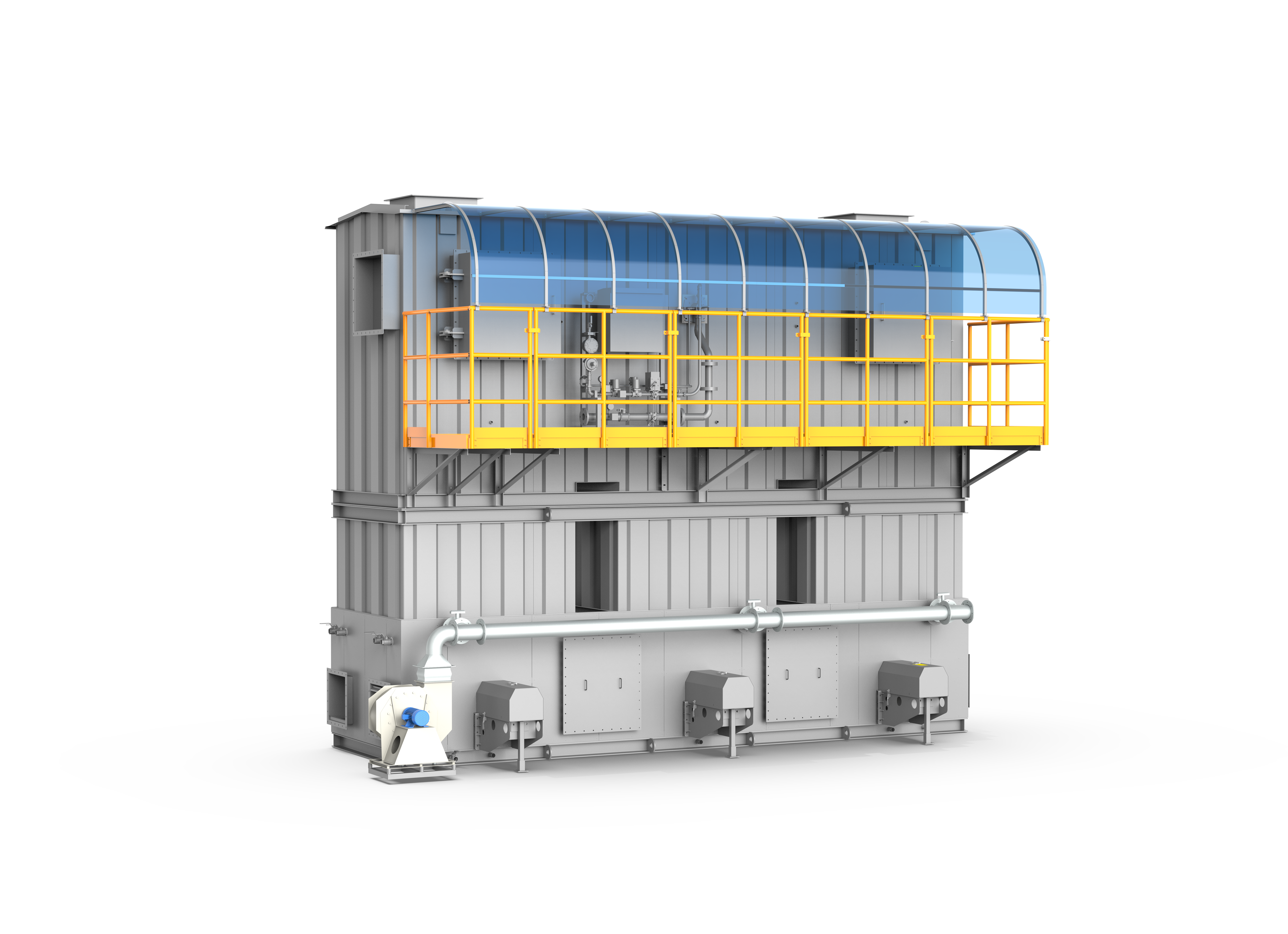
Three-Bed RTO
A high-heat-recovery oxidizer for continuous treatment of medium-to-high VOC loads and changing solvent mixtures.
View equipmentRotary RTO
A compact RTO configuration using a rotary gas-distribution valve for broad airflow flexibility and continuous VOC oxidation.
View equipmentZeolite Rotor
Concentrates large-airflow, low-concentration VOC exhaust into a smaller stream for efficient downstream oxidation.
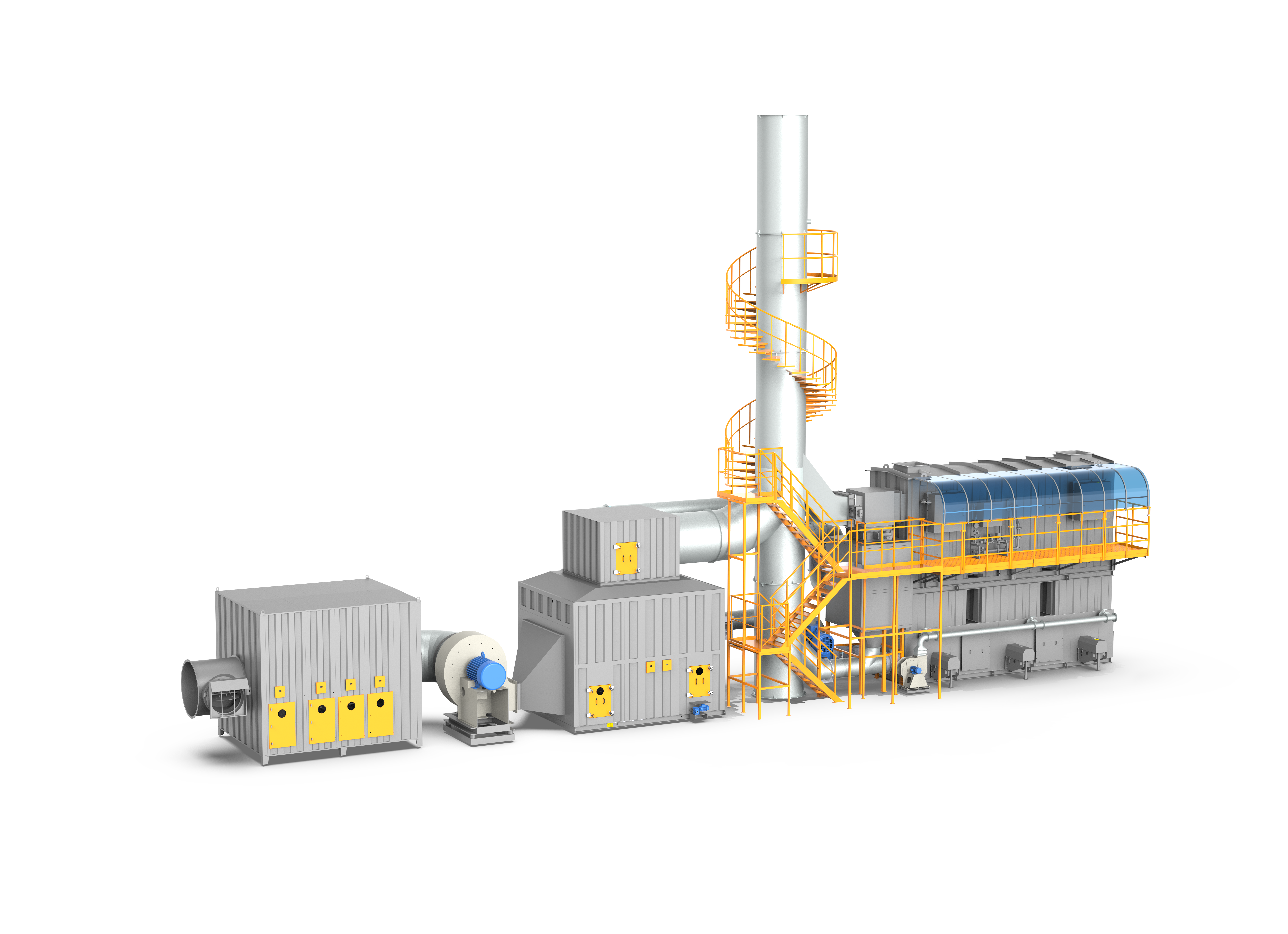
View equipmentZeolite + Three-Bed RTO
A complete train for large-volume dilute VOC exhaust with concentration, thermal oxidation and optional process heat recovery.
View equipmentZeolite + Rotary RTO
A compact concentration and rotary oxidation train for large-airflow VOC sources with fluctuating recipes or concentration.
View equipmentPulse Baghouse
A dry dust collector with pulse cleaning for process particulate from handling, cutting, grinding and production operations.
View equipmentMap your heavy machinery & shipbuilding process
Share exhaust sources, airflow, concentration, operating temperature and schedule. We will identify pretreatment needs and a suitable control train.