RTO vs Catalytic Oxidizer: How to Choose

RTO vs Catalytic Oxidizer: How to Choose

A practical comparison of regenerative thermal oxidizers and catalytic oxidizers for industrial VOCs projects.

Operating temperature and energy

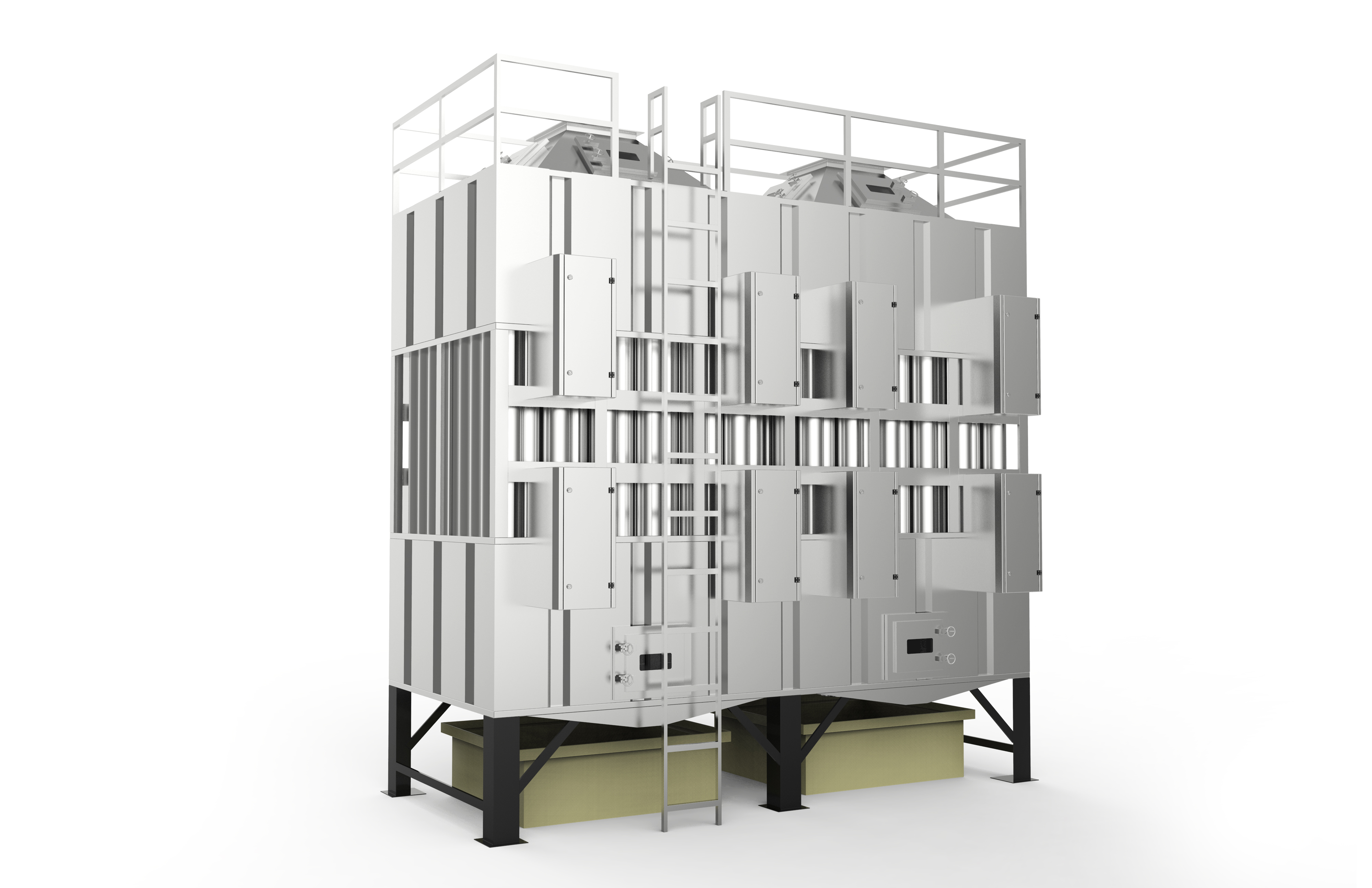
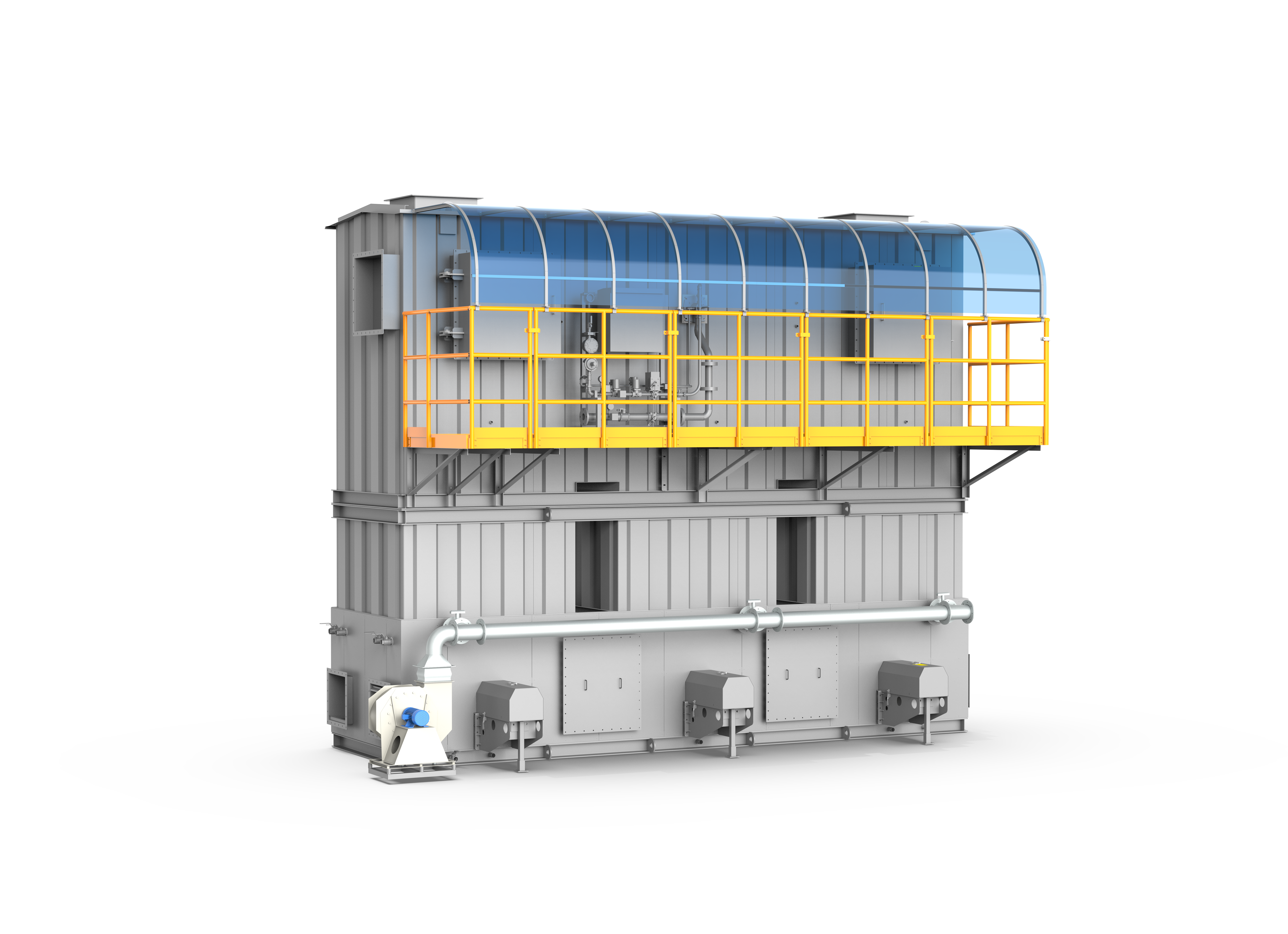
RTO destroys VOCs at high temperature with ceramic heat recovery, often reaching ~95% thermal efficiency. Catalytic oxidizers run cooler, which can reduce fuel demand on suitable streams but is sensitive to catalyst poisons.
Concentration and chemistry

RTO handles complex, changing solvent mixes and catalyst-unfriendly components more robustly. Catalytic systems prefer cleaner, more stable organic streams without frequent poison events.

Footprint and CapEx profile

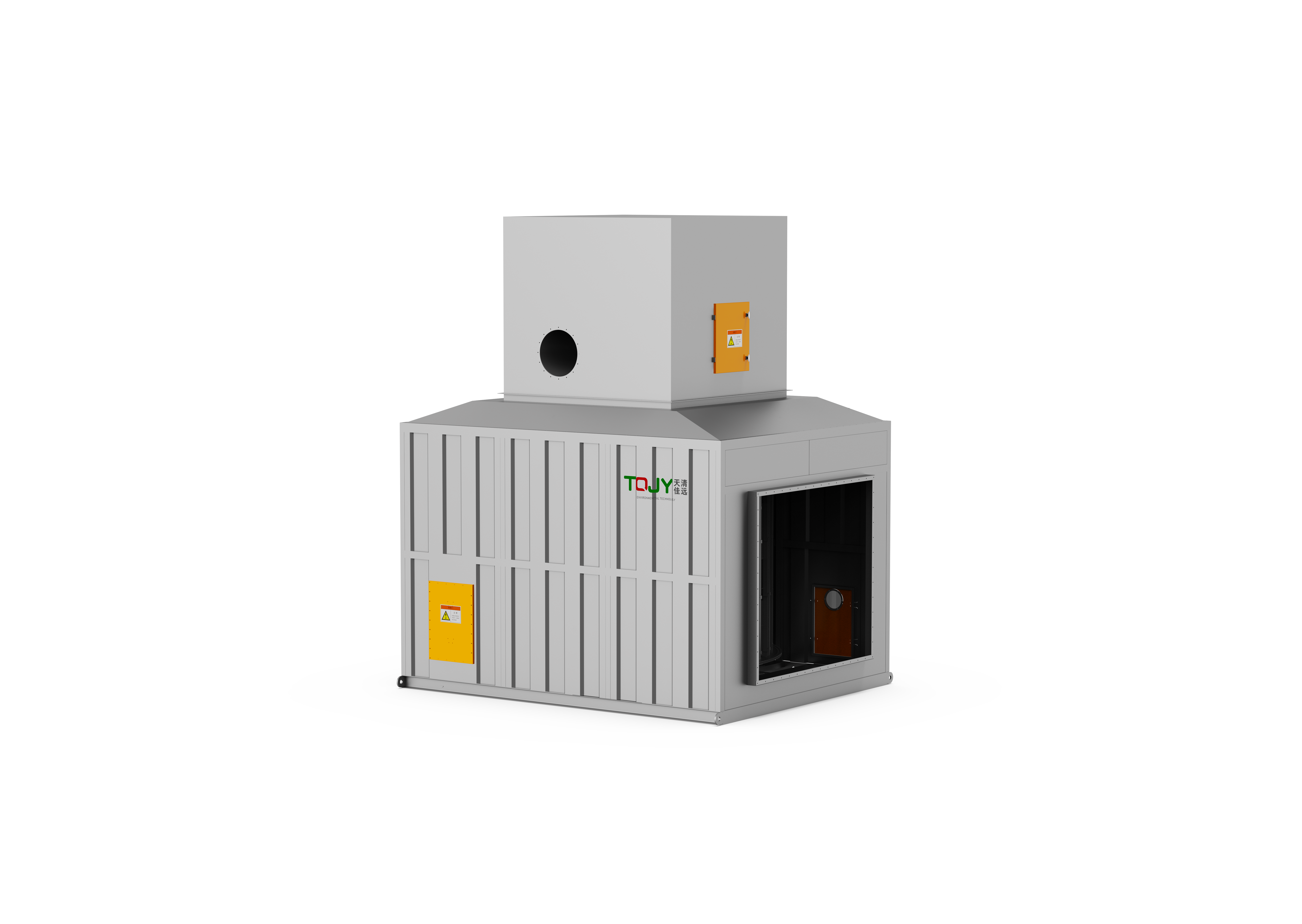
Catalytic packages—especially zeolite + CO integrated units—can be more compact. RTO systems scale well for large continuous duties and heat-recovery projects.

Combined trains

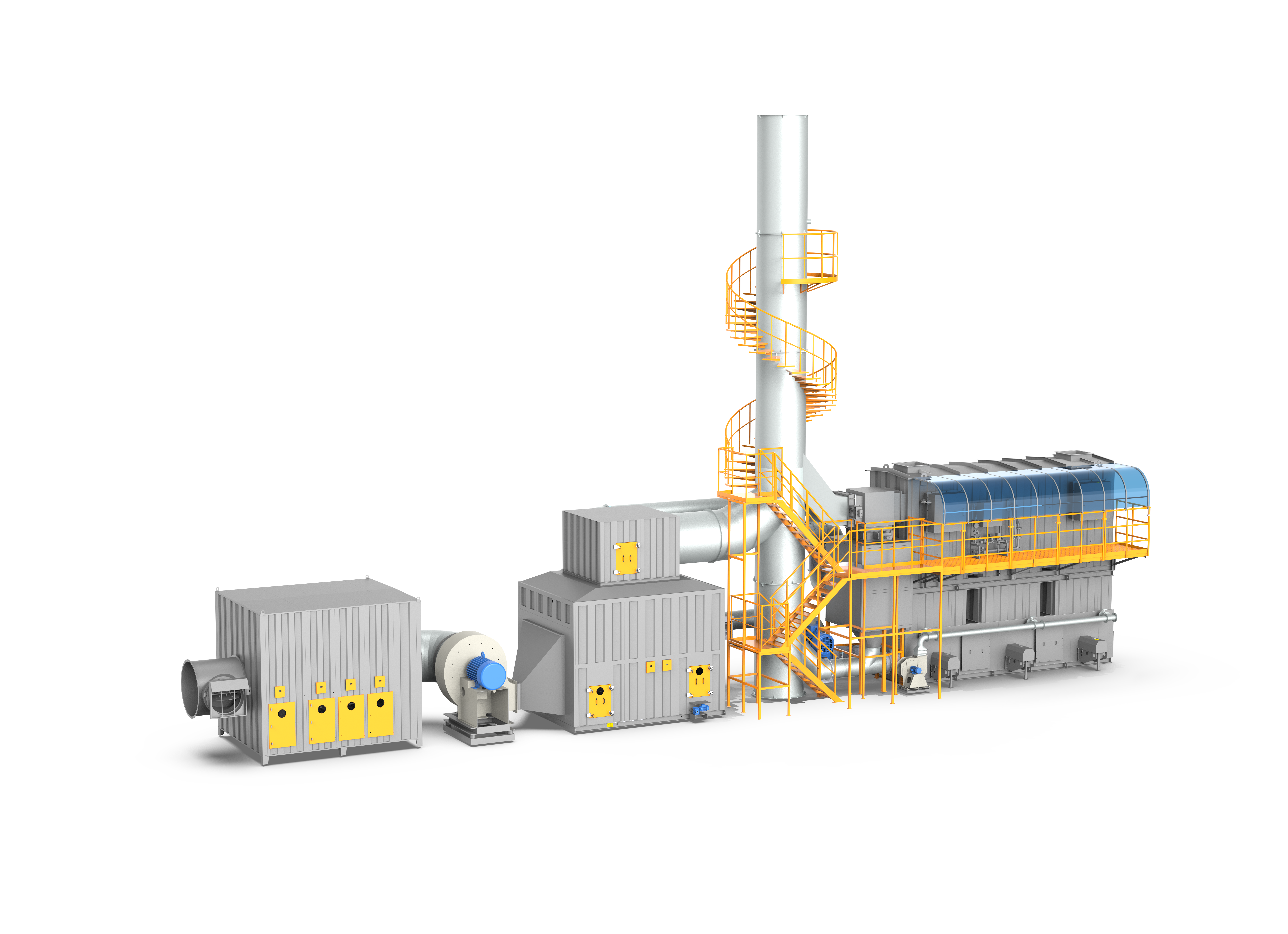
Many plants do not choose one technology in isolation. Zeolite concentration upstream of either RTO or CO is common for large paint and print shops.

Decision shortcut

Prefer RTO for complex solvents, higher loads, and heat recovery. Prefer catalytic (often with concentration) for cleaner streams, lower temperature duty, and tighter footprints—subject to catalyst compatibility.

Apply this to your plant

Send process data for a configuration and quotation path.

Request Quote