VOC Pretreatment Before RTO, Catalytic Oxidation or Zeolite

VOC Pretreatment Before RTO, Catalytic Oxidation or Zeolite

Why mist, dust, condensables, corrosive gases and unstable exhaust conditions must be assessed before a VOC oxidation or concentration system is specified.

The main treatment unit is only part of the train

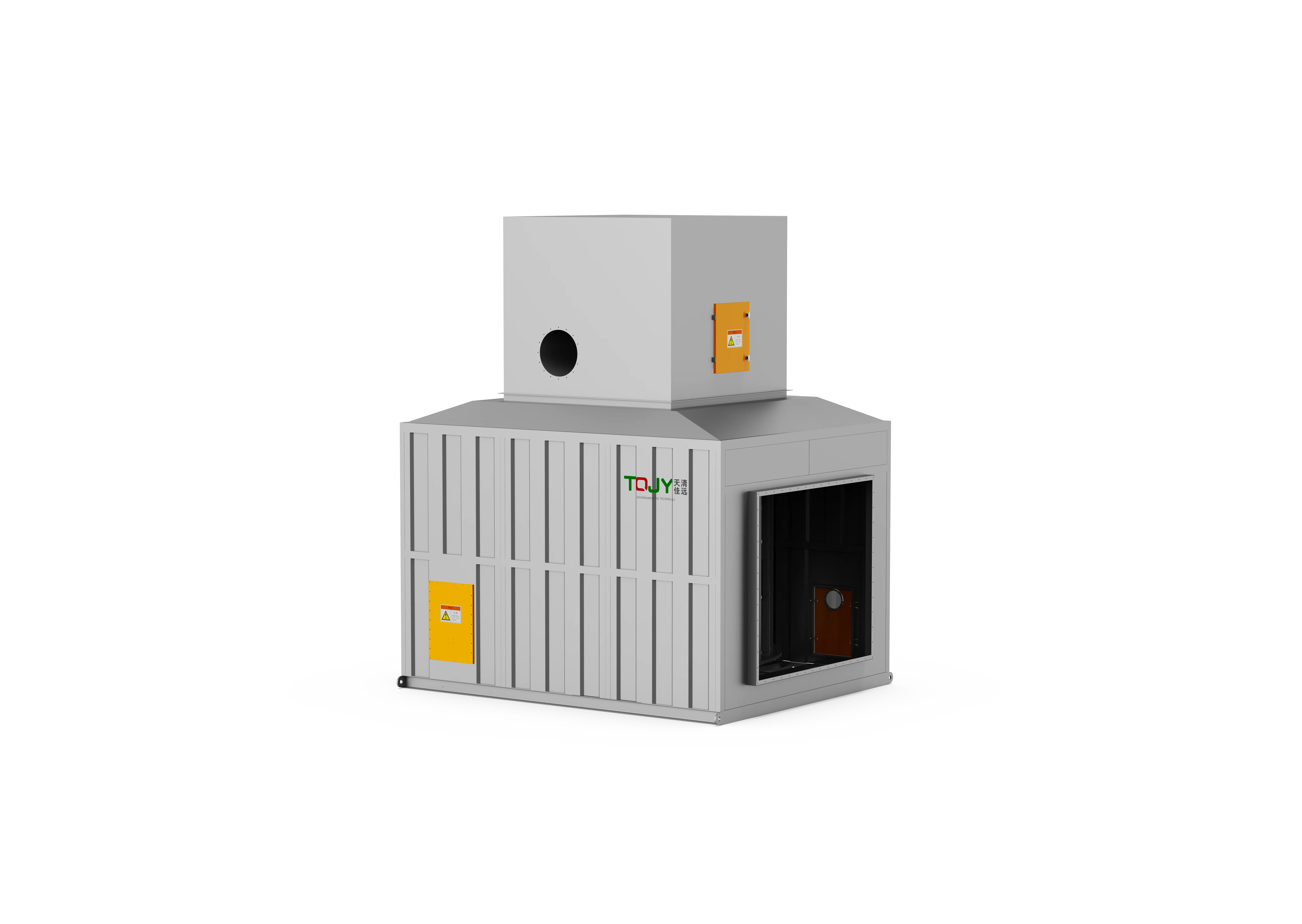
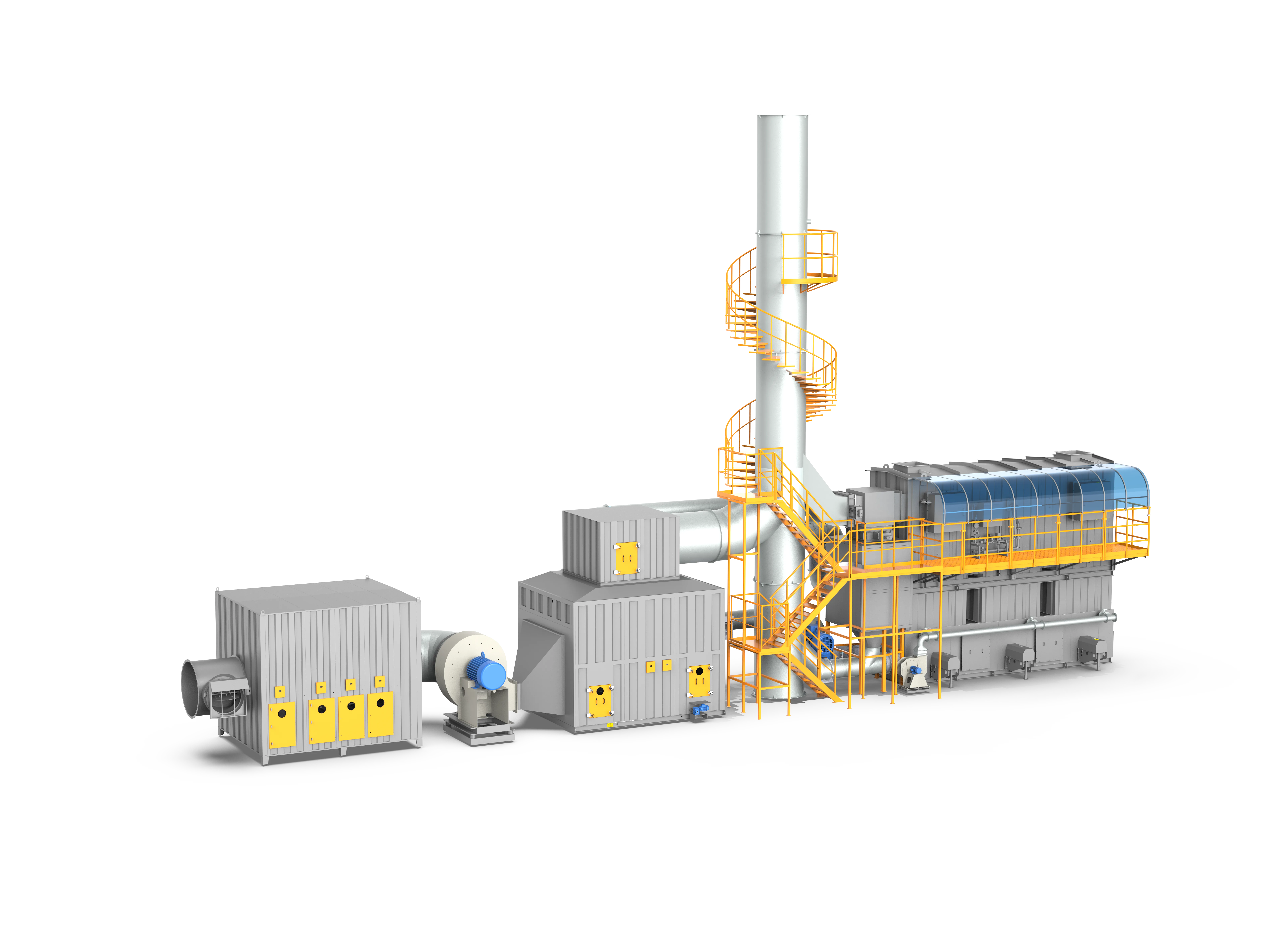
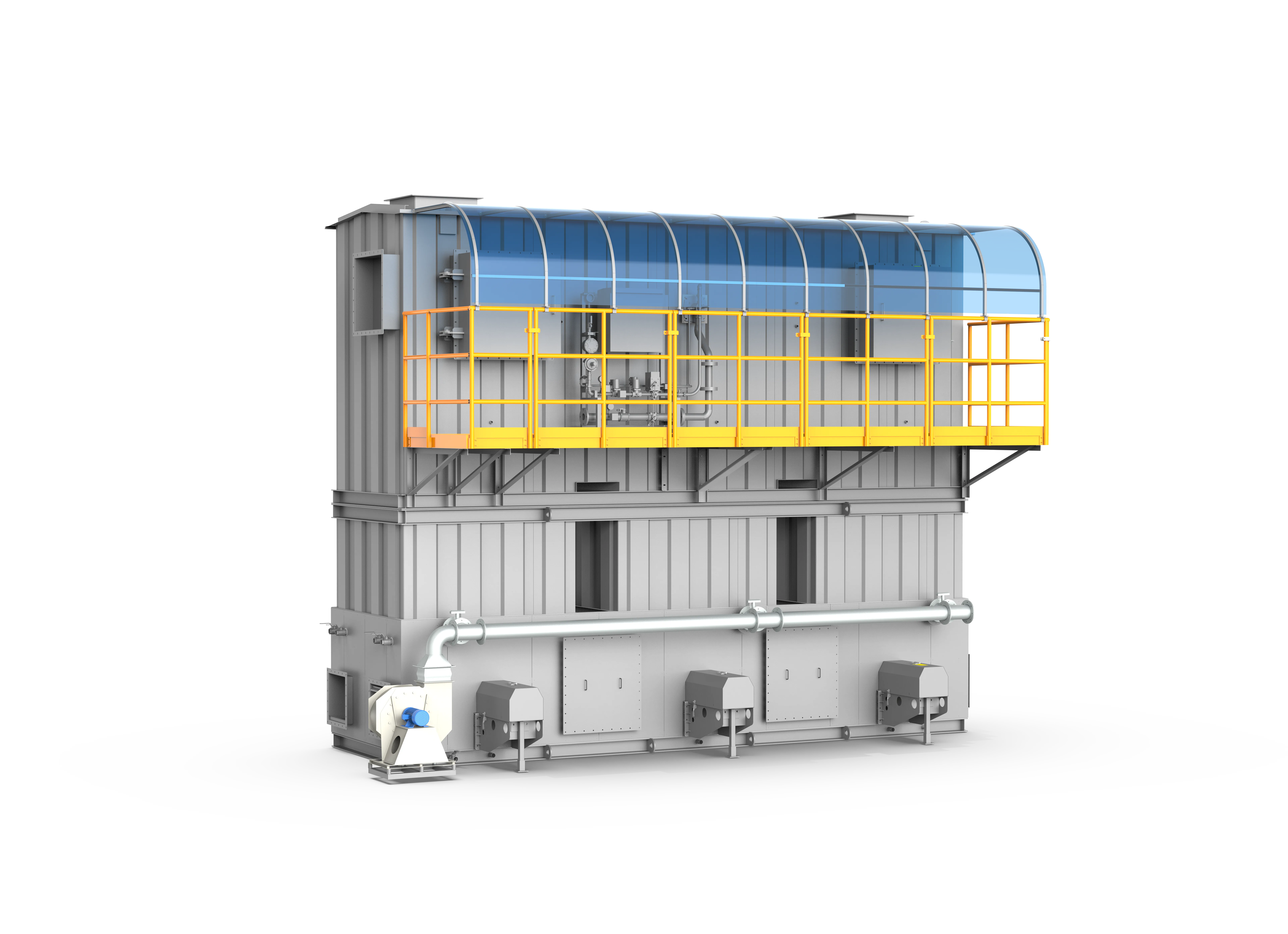
RTOs, catalytic oxidizers and zeolite concentrators are selected together with upstream capture, ducting, balancing and pretreatment. Pretreatment protects the main system and creates a more predictable inlet condition for operation and maintenance.
Mist and particulate can foul downstream equipment

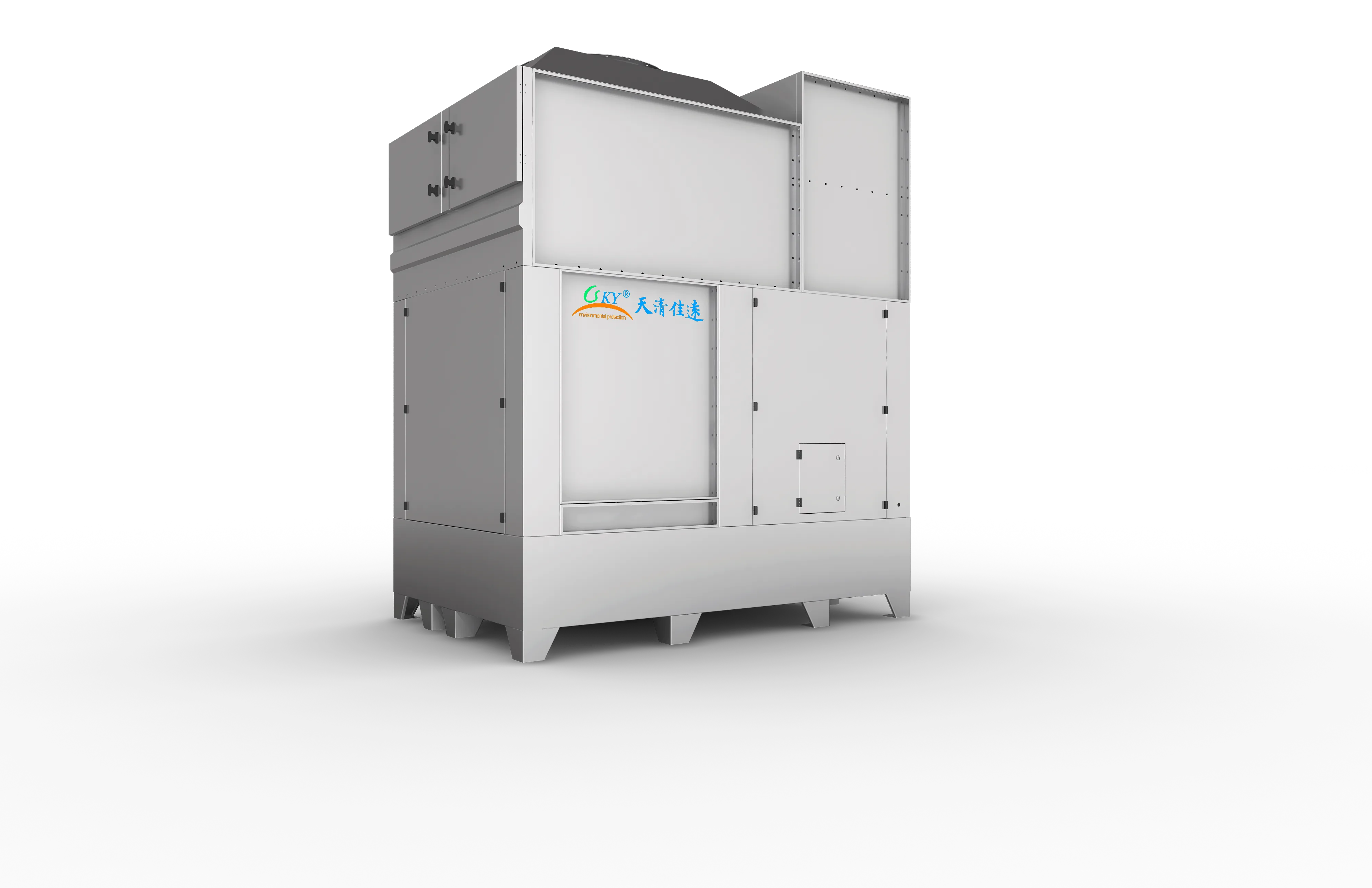
Paint mist, dust and sticky aerosol can foul zeolite media, activated-carbon beds, catalysts, regenerative ceramic media and heat exchangers. The required filtration, droplet separation, scrubber or electrostatic stage depends on particle loading, material properties and gas temperature.

Corrosive or reactive components need segregation

Acids, alkalis, halogenated compounds, sulfur-bearing compounds and other reactive constituents may require different materials, treatment stages or segregated headers. They should not be mixed into a generic VOC train before chemistry and safety implications are reviewed.

Temperature, humidity and condensation affect design

Hot, wet or condensation-prone exhaust can change adsorption behavior, corrosion risk, fan duty and material selection. Cooling, heat tracing, drainage, wash-water management or thermal balancing may be part of the engineered scope.

Data to submit before equipment selection

Provide each exhaust source, airflow by operating mode, temperature, humidity, pollutant analysis, concentration range, SDS information, particulate or mist loading, emission target and available layout. This allows the treatment train to be reviewed as a system rather than as a single machine.

Apply this to your plant

Send process data for a configuration and quotation path.

Request Quote