Activated Carbon vs Zeolite Rotor for VOC Concentration

Activated Carbon vs Zeolite Rotor for VOC Concentration

A practical guide to comparing activated-carbon adsorption and zeolite rotor concentration before catalytic oxidation, RTO, recovery or replacement decisions.

Both technologies reduce the oxidation volume

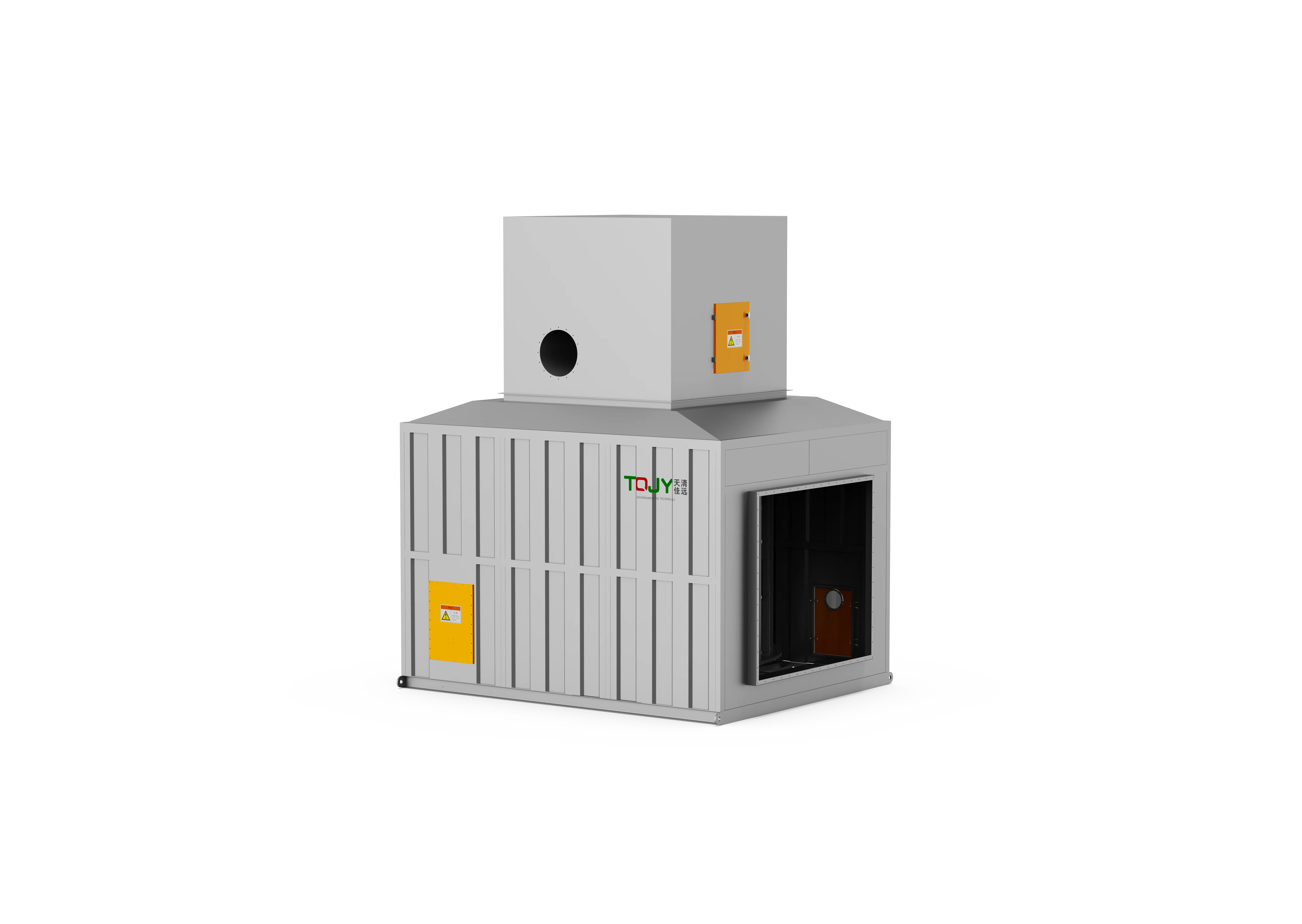
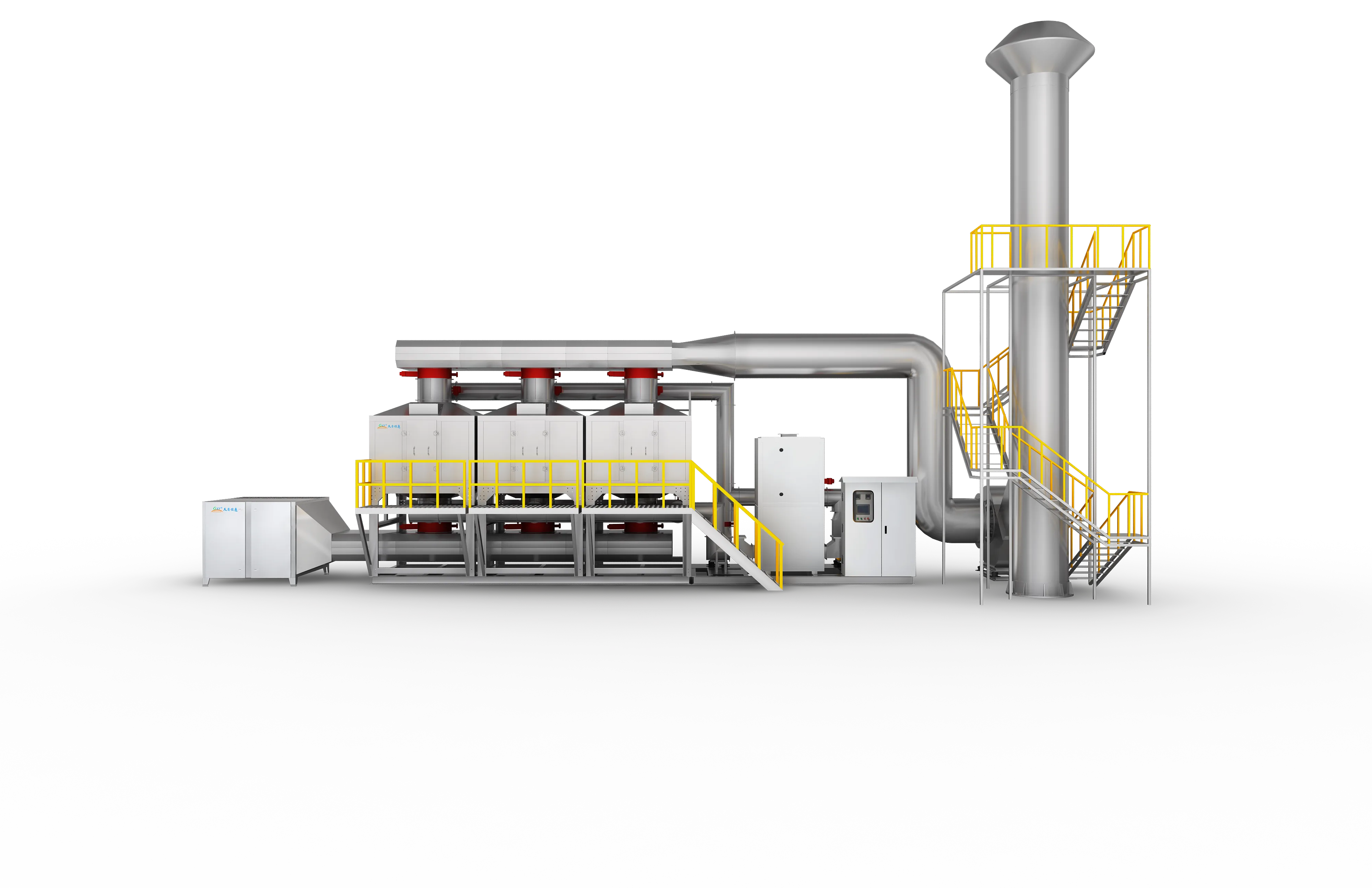
Activated carbon and zeolite media can capture compatible VOCs from a larger dilute exhaust stream and release a smaller, richer stream for downstream treatment. The right choice is driven by chemistry, humidity, operating pattern, safety requirements and the regeneration method—not simply by airflow.
Where zeolite rotor concentration is commonly evaluated

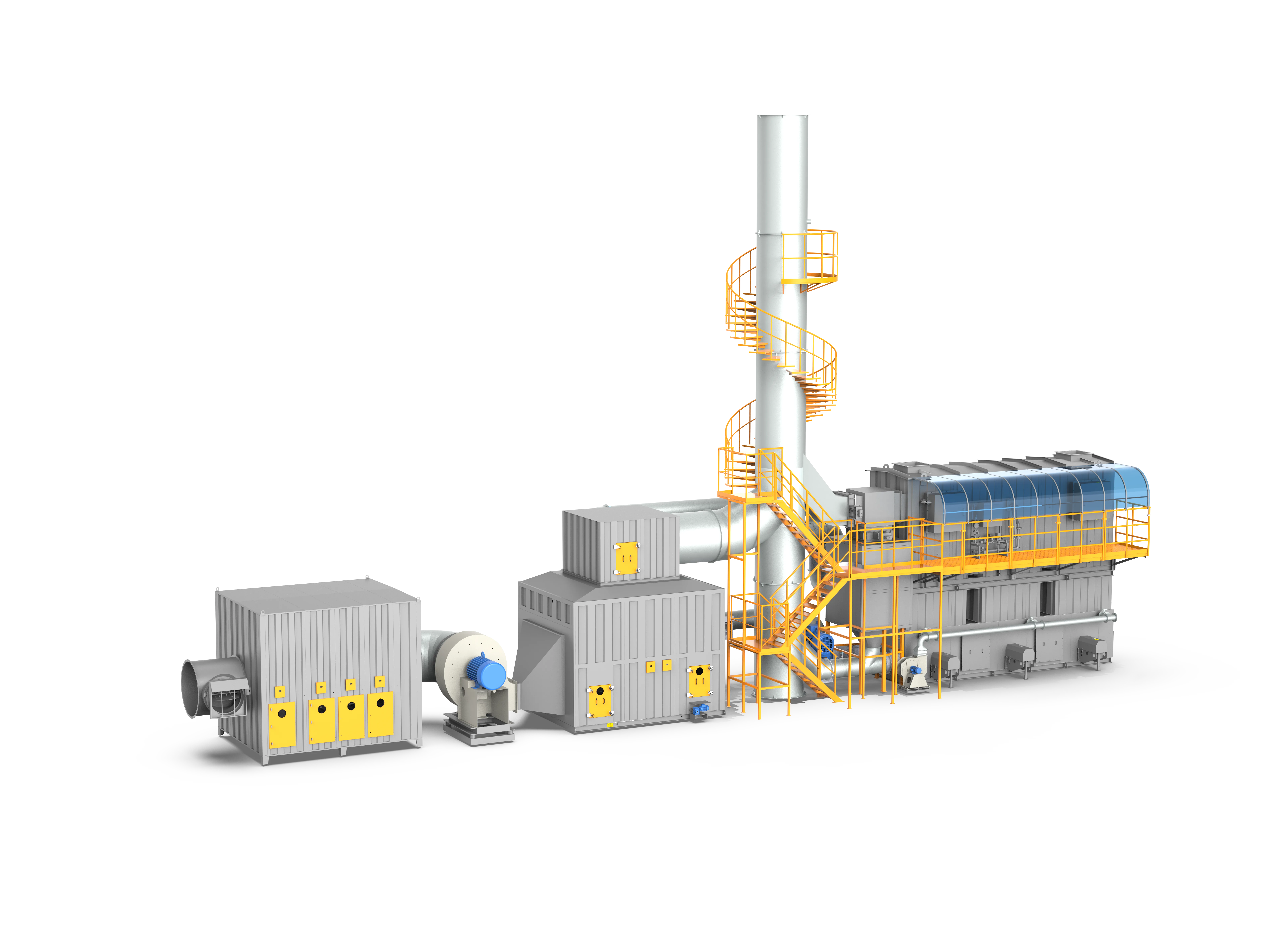
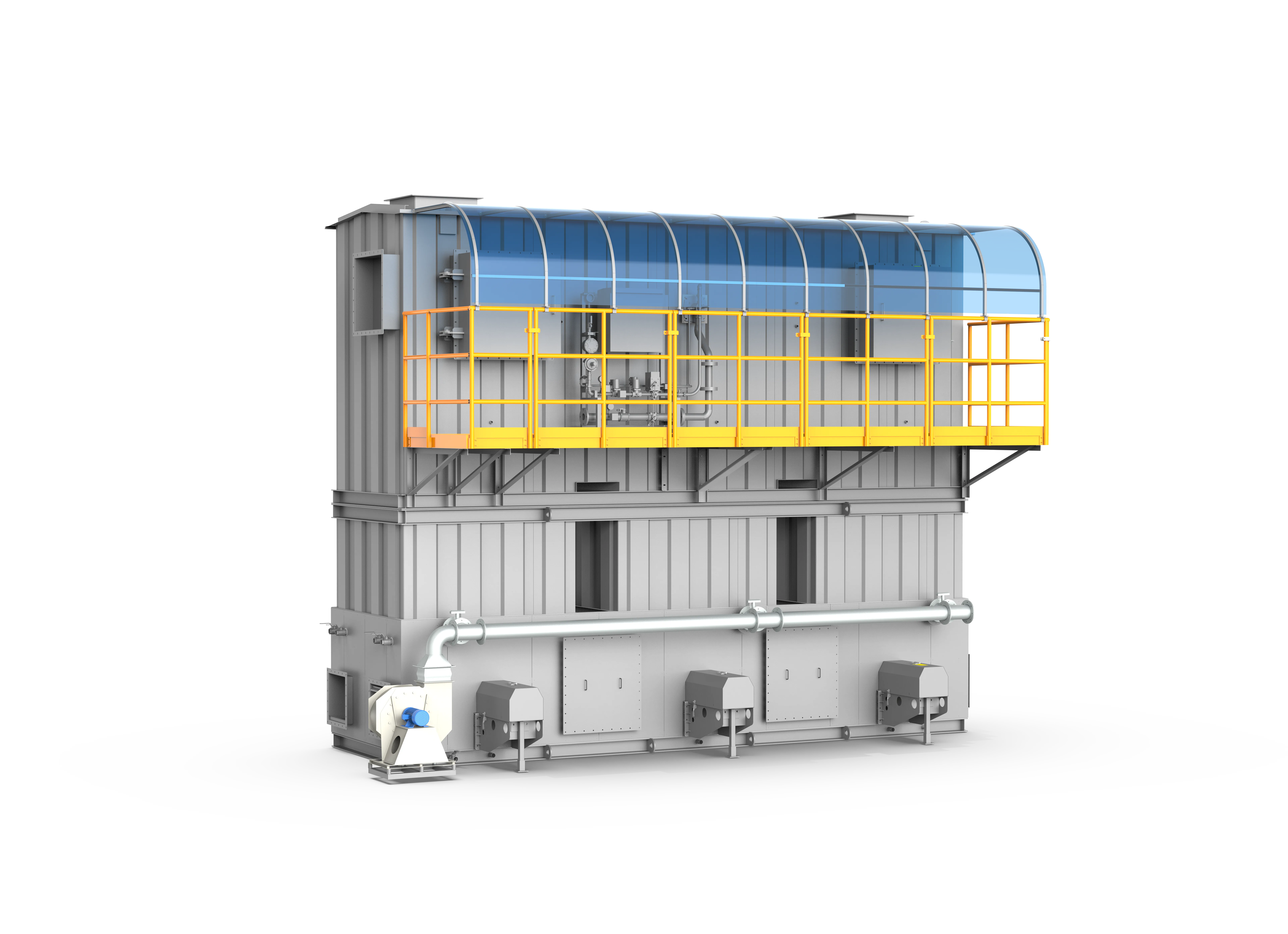
A continuously rotating zeolite rotor is commonly evaluated for high-airflow, low-concentration exhaust from coating, printing, electronics and similar continuous processes. The media moves through adsorption, desorption and cooling zones, typically feeding an RTO or catalytic oxidizer.

Where activated carbon is commonly evaluated

Activated-carbon beds are often evaluated for intermittent or cyclic duty, predictable solvent mixtures and configurations that use hot-air or steam desorption. Depending on the recovered solvent value and process conditions, the desorbed stream may feed catalytic oxidation, RTO or a recovery system.

Compatibility and safety come first

High-boiling, sticky or easily polymerized compounds, humidity, dust, paint mist and incompatible chemical species can affect either medium. Carbon systems also require appropriate fire protection and bed-temperature controls. Send SDS information, analytical data and normal/peak profiles before selecting a concentrator.

Do not assume recovery is always the goal

Solvent recovery is evaluated separately from destruction: it depends on solvent value, purity expectations, separation feasibility, condensation duty and operating economics. A treatment train should be chosen from the plant objective, not from the presence of adsorption media alone.

Apply this to your plant

Send process data for a configuration and quotation path.

Request Quote